
Pest Control in Raleigh, NC
Connect With a Local Pro
Who Knows Wake County Clay
PestAlly connects Raleigh and Wake County homeowners with independent, local
pest control pros who understand clay-soil termite pressure, Zika and
West Nile mosquito risk and late-summer fire ants.
Wake County Clay Holds Moisture Even When It Looks Dry
Raleigh has the same underlying problem as the rest of the Piedmont and a wetter version of it. Wake County’s clay soils retain moisture at depth even through a summer dry spell, which sustains active eastern subterranean termite colonies across the entire metro year-round — the state’s warm humid summers and mild winters do the rest. On top of that, Raleigh’s abundant rainfall, humidity and waterways make it genuinely good mosquito country, and local mosquitoes can transmit West Nile virus and Zika, so this is a health matter rather than only a comfort one. Fire ants reach their peak here in late summer, and their mounds are worth a wide berth. Oriental and German cockroaches, lone star ticks and stink bugs round out the list. PestAlly connects Raleigh homeowners with independent, local pros who start with the clay and the water.
Get Connected With a Local Pro →
At a Glance
Service Area
Raleigh, NC and surrounding Wake County communities
Most Common Pests
Eastern subterranean termites, mosquitoes, fire ants, Oriental and German cockroaches, lone star ticks, stink bugs, rodents
Peak Pest Season
Mosquitoes peak with the rain; termite pressure runs all year
Response Time
Same-day and next-day appointments typically available
Raleigh’s Year-Round Pest Calendar
Warm humid summers and mild winters give Raleigh a very long active season.
Winter
Dec – FebRodents settled in attics and crawl spaces; termites feeding in the clay
Mild winter keeps ants and roaches ticking over at low level
Active season begins — ant and roach activity picks up sharply
Spring
Mar – MayEastern subterranean termite swarms begin across Wake County
Peak swarm season; lone star tick activity climbs
Mosquito season begins in earnest with the spring rain
Summer
Jun – AugPeak mosquito season, with West Nile and Zika risk
Heaviest humidity; fire ant mounds at their peak
Fire ants still peaking; storm rain relocates the mounds
Fall
Sep – NovActivity still high; stink bugs start pushing into wall voids
Active season ends; rodent entry attempts peak
Insects slow above ground, termites continue in the clay
One exception: Wake County clay holds moisture at depth even during a summer dry spell, so termite colonies here stay active through the driest weeks of the year. That’s the part homeowners most often get wrong — a dry August feels like a low-risk month, and for termites it isn’t one. The swarm months below are only when they become visible.
Services We Cover in Raleigh
A Five Points bungalow, an Oakwood historic home or a newer build in North Raleigh — here’s what the local pros in our network handle.
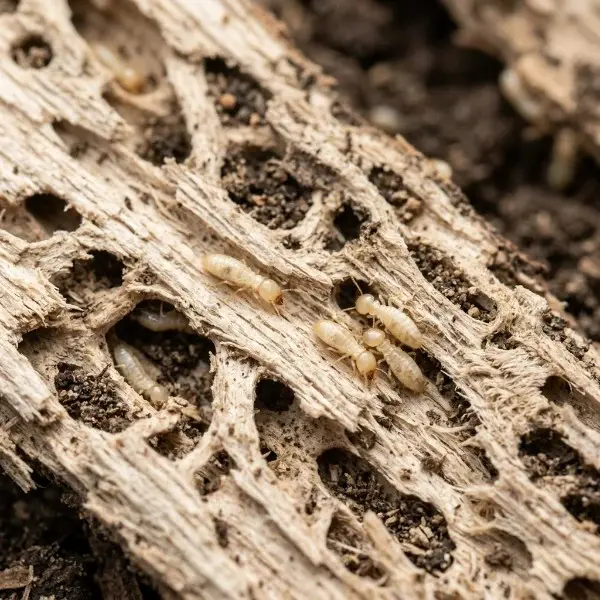
Termites
Common mistake Treating termite protection as optional in Raleigh.
Ants
Fire ants peak in late summer with signature mounds across Raleigh lawns, alongside odorous house and carpenter ants indoors.
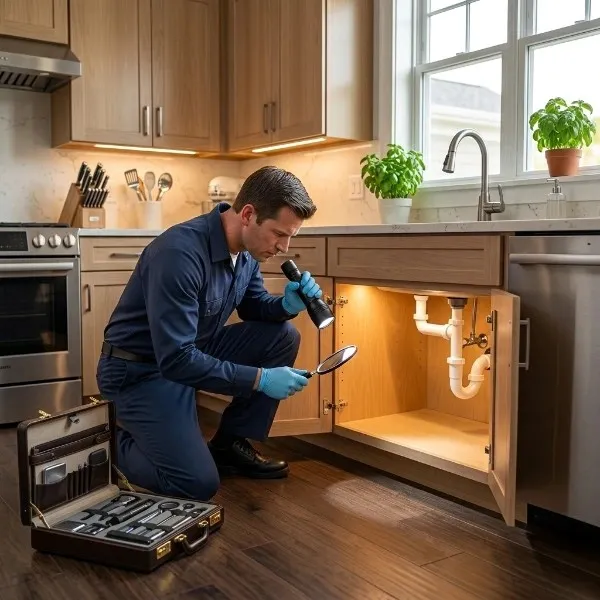
Roaches
Oriental and German cockroaches are both common in Raleigh, and German roaches rebound fast without follow-up service.

Bed Bugs
Steady travel, rental turnover and a fast-growing Triangle keep bed bug cases active across Raleigh all year.

Fleas
Humid Wake County yards and urban wildlife keep flea populations going through most of the long active season.

Spiders
Widow and wolf spiders use garages, sheds, crawl spaces and woodpiles across the Raleigh area.
Yellow Jackets
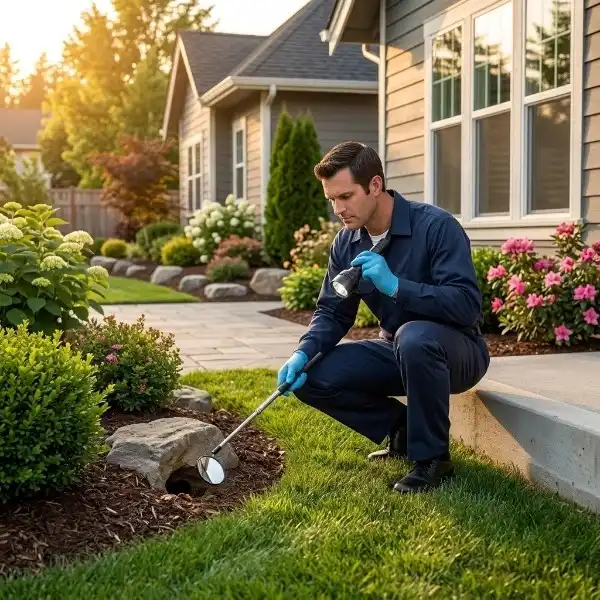
Ground and void nests build fast through the humid summer and turn defensive quickly around decks and play areas.

Wasps
Paper wasps and carpenter bees work eaves, decks, porches and untreated trim right through the long warm season.
Mosquitoes
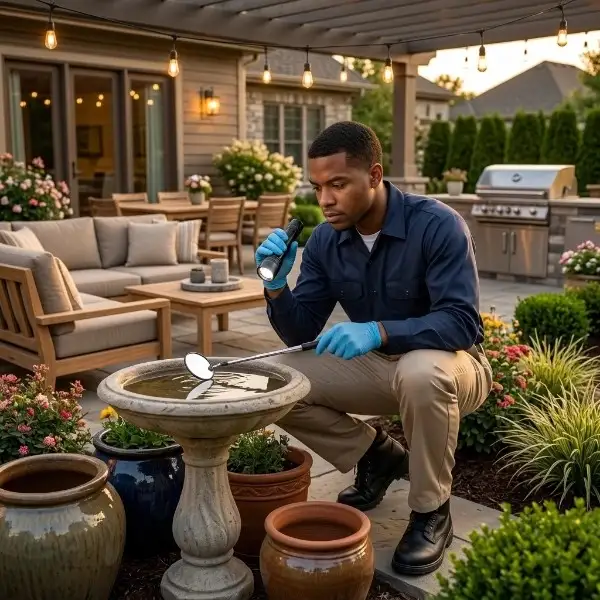
Raleigh’s rainfall, humidity and waterways make mosquitoes a real health concern, with West Nile virus and Zika both transmissible.

Flies
Drain and filth flies trace to a specific source — usually a drain, bin area or grease line — rather than needing the room treated.

General Insects
Lone star ticks and stink bugs are both common in Wake County, plus eastern subterranean termite inspection referrals.

General Rodents
Rodents work crawl spaces, attics and drainage across the metro, with pressure rising as the active season ends.
Trusted by Homeowners Across the Country
Licensed & Insured
Every pro in the network carries current licensing and insurance.
Same-Day Service
Same-day and next-day appointments typically available.
100% Satisfaction Guarantee
If the pest comes back, your pro comes back — that is the standard.
Locally Trusted Experts
Independent pros who actually live and work in your area.
No Obligation to Book
Talk to a pro first. Nothing is committed until you say so.
Vetted Pro Network
We screen every contractor before they join the PestAlly network.

Most Common Pest Entry Points in Raleigh Homes
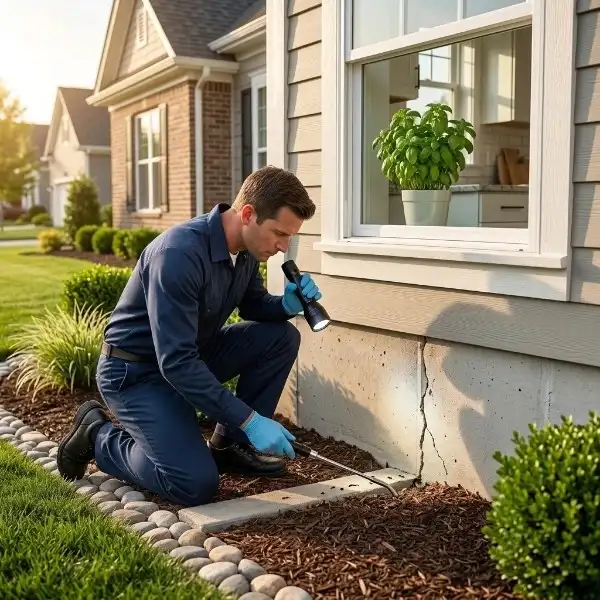
Wake County clay holds moisture at depth against the foundation, and eastern subterranean termites use foundation cracks and pipe penetrations to build mud tubes into the structure.
Many Raleigh homes sit over a crawl space, and one unscreened vent or warped access door hands the whole sub-floor to rodents, camel crickets and spiders.
Gutters, pot saucers and any container holding water are where the mosquitoes biting on a property actually bred.
Soffit, fascia and roofline gaps are where rodents actually enter, and it’s above eye level so it’s usually found late.
The wooded yard edge is where lone star ticks concentrate, and it’s the part of the property that actually needs treating.
Why Raleigh Homes Deal With These Pests Specifically
Two Wake County realities change how treatment has to work here — one below ground, one about the water.
Clay holds moisture at depth through summer dry spells
Wake County’s Piedmont clay soils create ideal conditions for subterranean termites right across the Raleigh metro. The clay retains moisture at depth even during summer dry spells, which is what sustains active colonies year-round rather than seasonally.
Treating termite protection as optional in Raleigh. In this market it functions more like insurance on the structure — the question is which type of protection, not whether the risk is real.
Rainfall and waterways make mosquitoes a health matter
Raleigh’s abundant rainfall, humidity and waterways create close to perfect mosquito breeding conditions, and local mosquitoes can transmit West Nile virus and Zika. That puts mosquito work in a different category from most nuisance pests here.
Treating the yard and ignoring the containers. Most of the mosquitoes biting on a property bred within a few dozen feet of it, so gutters, pot saucers and anything holding water matter more than the size of the spray.
What to Expect From a Local Pro’s Visit
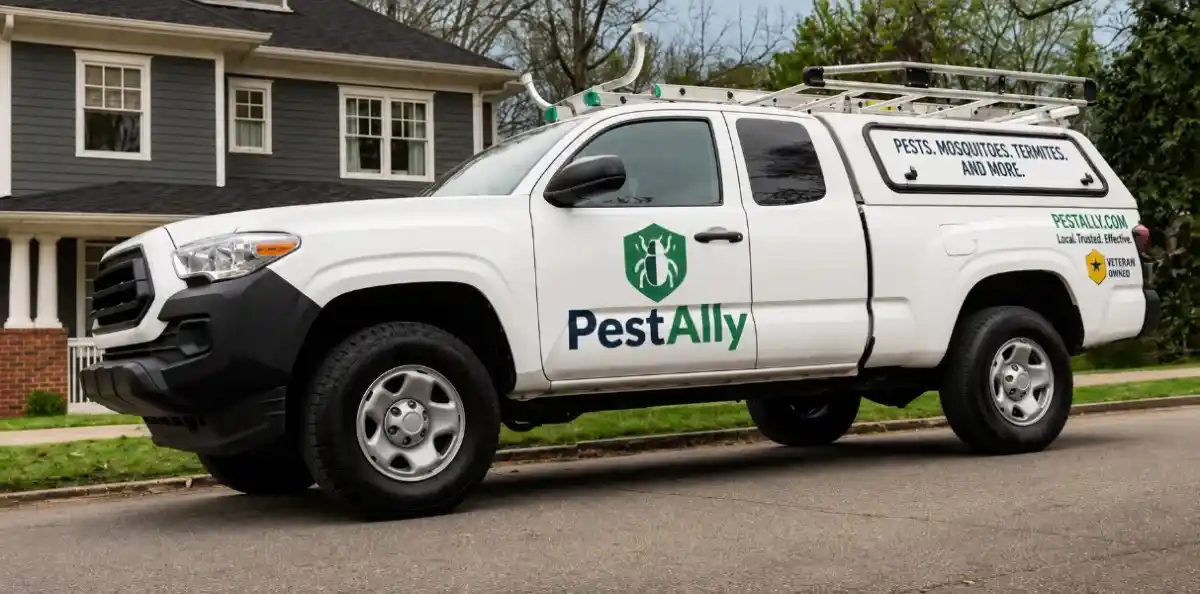
Every Raleigh property is different, but the sequence stays the same — your local pro starts at the foundation and the standing water, because in Wake County that’s where it begins.
Inspect
Full inspection: foundation and pipe penetrations, crawl space, standing water and gutters, soffits and roofline, wooded yard edge.
→Identify
Confirming the species, since termite work, mosquito source reduction and fire ant baiting are three completely different jobs.
→Treat
Matched to the finding: termite baiting or liquid barrier, mosquito source reduction, fire ant baiting, or tick treatment at the yard edge.
→Seal
Sealing foundation cracks and pipe penetrations, screening crawl space vents, clearing standing water and cutting back the yard edge.
→Follow Up
Ongoing service through a long active season, with termite monitoring running independently of the general pest schedule.
→How PestAlly Works in Raleigh
PestAlly doesn’t perform the pest control ourselves — we connect you with vetted, independent local professionals who do.
Get Started →Tell us what’s going on
The pest, and roughly where in the Raleigh area you’re located.
We match you with an independent, local pro
Someone who services your specific neighborhood.
You deal directly with that contractor
Pricing, scheduling, and the work itself are between you and them.
Frequently Asked Questions
Is termite risk really that high in Raleigh?⌄
Yes. Wake County’s clay soils create ideal conditions for subterranean termites across the whole Raleigh metro, and the clay holds moisture at depth even through summer dry spells — so the colonies stay active in months that feel too dry for them.
Why do fire ant mounds keep coming back?⌄
Because the colony relocates rather than dies. Treating a mound directly with a general product often splits it, and heavy Piedmont rain floods mounds and moves them anyway. Baiting is what reaches the queen and ends the colony properly.
Are Raleigh mosquitoes actually a health risk?⌄
They’re a genuine health concern here, not only a nuisance. Raleigh mosquitoes can transmit West Nile virus and Zika, and the area’s rainfall, humidity and waterways give them close to perfect breeding conditions. Clearing containers and gutters on your own property still makes a real difference.
Do I need pest control through a Raleigh winter?⌄
Largely yes. North Carolina’s mild winters mean pressure drops rather than stops, and termites keep feeding in moisture-retaining clay while German cockroaches carry on inside heated buildings.
Does PestAlly serve my specific Raleigh neighborhood?⌄
PestAlly connects homeowners throughout Raleigh and Wake County, including Five Points, Oakwood, North Hills, Brier Creek, Hayes Barton and North Raleigh, plus Cary, Apex, Wake Forest, Garner and Morrisville. ZIP codes we cover in Raleigh include 27601, 27604, 27606, 27609, 27612, 27613, 27615 and 27616.
Get Connected With a Local Raleigh Pest Control Pro
Whether it’s a swarm on the deck in spring, fire ant mounds across the lawn, or mosquitoes that make the back yard unusable, PestAlly connects you with an independent, local pro who knows what Wake County homes are actually up against.
Looking beyond Raleigh? See every North Carolina city we cover →