
Pest Control in Cleveland, OH
Connect With a Local Pro
Who Knows the North Coast
PestAlly connects Cleveland and Cuyahoga County homeowners with independent,
local pest control pros who know why older neighbourhoods carry higher
termite risk and what a North Coast summer brings.
Cleveland’s Pest Year Is Split Cleanly in Two
Cleveland runs on a hard seasonal split, and treatment here has to respect it. From roughly May to September the work is outdoors — mosquitoes off the Cuyahoga and the Metroparks wetlands, wasp and hornet nests under eaves, ants trailing in through century-old porch footings. From October the whole thing moves inside. Cuyahoga County has one of the oldest housing stocks in the Midwest, much of it wood-frame doubles and pre-war brick built long before anyone thought about sealing a building envelope, and that is exactly what Norway rats, house mice, cluster flies and boxelder bugs exploit when the lake wind turns cold. German and Oriental cockroaches never leave at all — they simply become a purely indoor problem for six months. Eastern subterranean termites are present too, working quietly in damp basement sill plates. PestAlly connects Cleveland homeowners with independent, local pros who work both halves of that year.
Get Connected With a Local Pro →
At a Glance
Service Area
Cleveland, OH and surrounding Cuyahoga County communities
Most Common Pests
German and Oriental cockroaches, Norway rats, house mice, bed bugs, eastern subterranean termites, cluster flies, boxelder bugs, carpenter ants
Peak Pest Season
Insects outdoors May–September; rodents and roaches indoors October–April
Response Time
Same-day and next-day appointments typically available
Cleveland’s Year-Round Pest Calendar
Lake Erie winters and a pre-war housing stock give Cleveland two completely different pest seasons.
Winter
Dec – FebNorway rats and mice settle into basements and wall voids for the winter
Coldest weeks; German cockroach activity is entirely indoors
Cluster flies and boxelder bugs wake in attics on the first mild days
Spring
Mar – MayAnts begin trailing in through old porch footings and basement cracks
Subterranean termite swarms appear once the frost is properly out
Mosquito season opens along the Cuyahoga and the Metroparks wetlands
Summer
Jun – AugPeak mosquito month; wasp nests reach usable size under eaves
Heaviest humidity; Oriental roaches move up from drains and basements
Hornet and yellow jacket nests hit full size and turn defensive
Fall
Sep – NovCluster flies and boxelder bugs start gathering on sunny walls
Peak overwintering month; rodents begin testing the building envelope
Rodent entry attempts peak as the first lake-effect cold arrives
One exception: the calendar splits in two here rather than running continuously. A treatment plan built for a southern market assumes twelve months of outdoor pressure; in Cleveland the outdoor work stops in October and everything that matters after that is happening inside the building.
Services We Cover in Cleveland
A Ohio City older home, an Tremont property or a newer build on the edge of town — here’s what the local pros in our network handle.
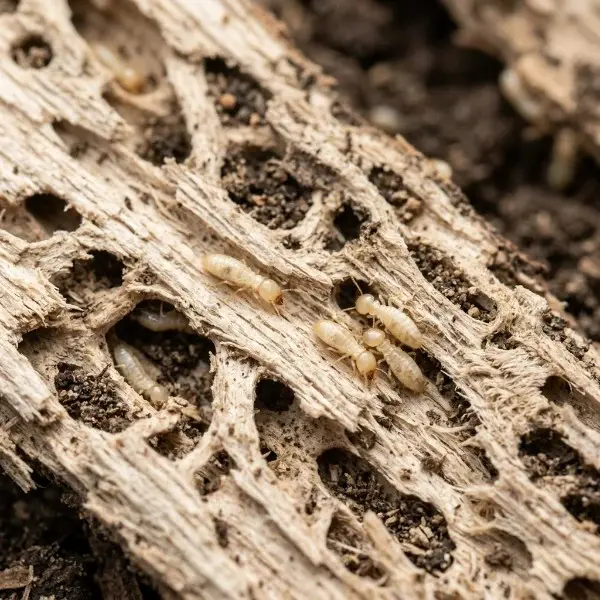
Termites
Eastern subterranean termites are present too, working quietly in damp basement sill plates.
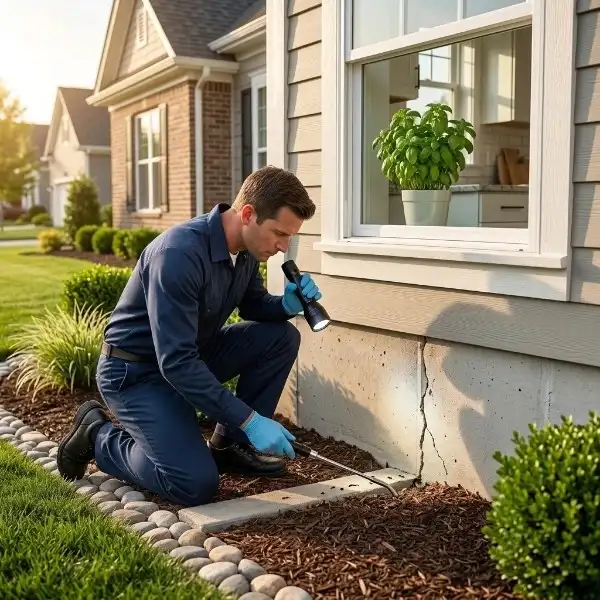
Ants
Pavement ants and carpenter ants dominate here, and carpenter ants go for the damp wood in old porch posts and basement framing.
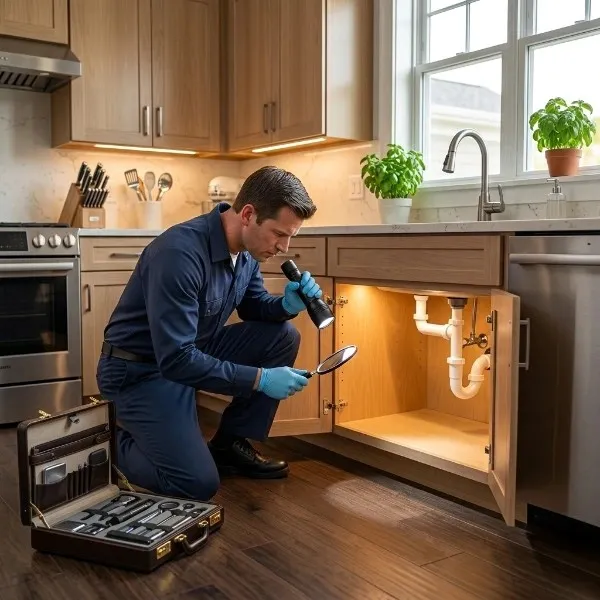
Roaches
German roaches move between units in Cleveland’s doubles and apartment stock, while Oriental roaches come up from drains and damp basements.

Bed Bugs
Dense older housing, high rental turnover and shared walls keep bed bugs circulating through Cleveland year-round.

Fleas
Pets, urban wildlife and humid summers keep flea populations going right through the warm half of the year.

Spiders
Cellar and wolf spiders take over old basements, garages and crawl spaces once there are enough insects to feed on.
Yellow Jackets
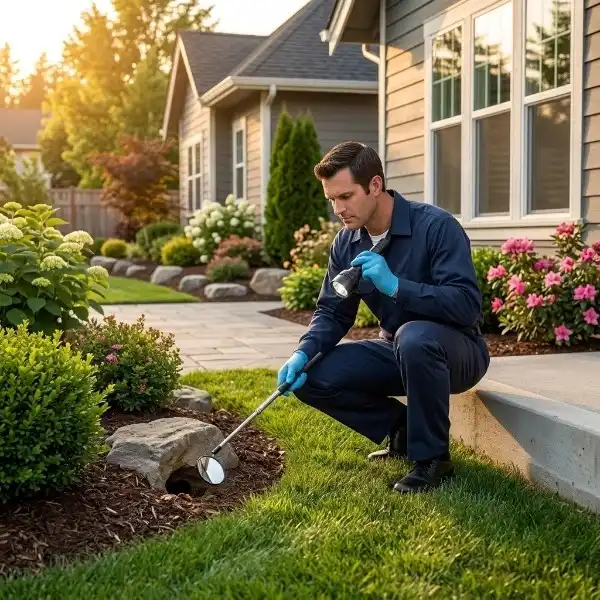
Ground and void nests build fast through the humid summer and turn defensive quickly around decks and play areas.

Wasps
Paper wasps and carpenter bees work eaves, decks, porches and untreated trim right through the long warm season.

Mosquitoes
Mosquito pressure is heaviest near the Cuyahoga, the Metroparks wetlands and in yards that hold water after a storm.
Flies
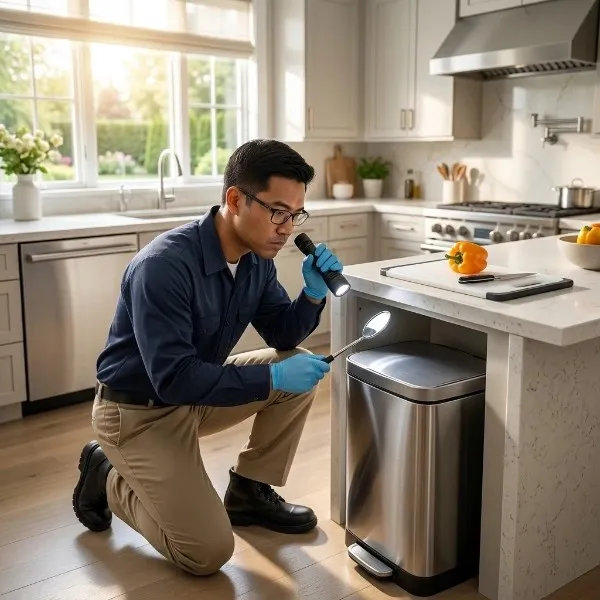
Drain and filth flies trace to a specific source — usually a drain, bin area or grease line — rather than needing the room treated.

General Insects
Cluster flies, boxelder bugs and Asian lady beetles are the autumn signature, along with silverfish and camel crickets in old basements.

General Rodents
Norway rats and house mice are a year-round Cleveland problem, and old foundations and utility chases give them entry almost anywhere.
Trusted by Homeowners Across the Country
Licensed & Insured
Every pro in the network carries current licensing and insurance.
Same-Day Service
Same-day and next-day appointments typically available.
100% Satisfaction Guarantee
If the pest comes back, your pro comes back — that is the standard.
Locally Trusted Experts
Independent pros who actually live and work in your area.
No Obligation to Book
Talk to a pro first. Nothing is committed until you say so.
Vetted Pro Network
We screen every contractor before they join the PestAlly network.
Most Common Pest Entry Points in Cleveland Homes
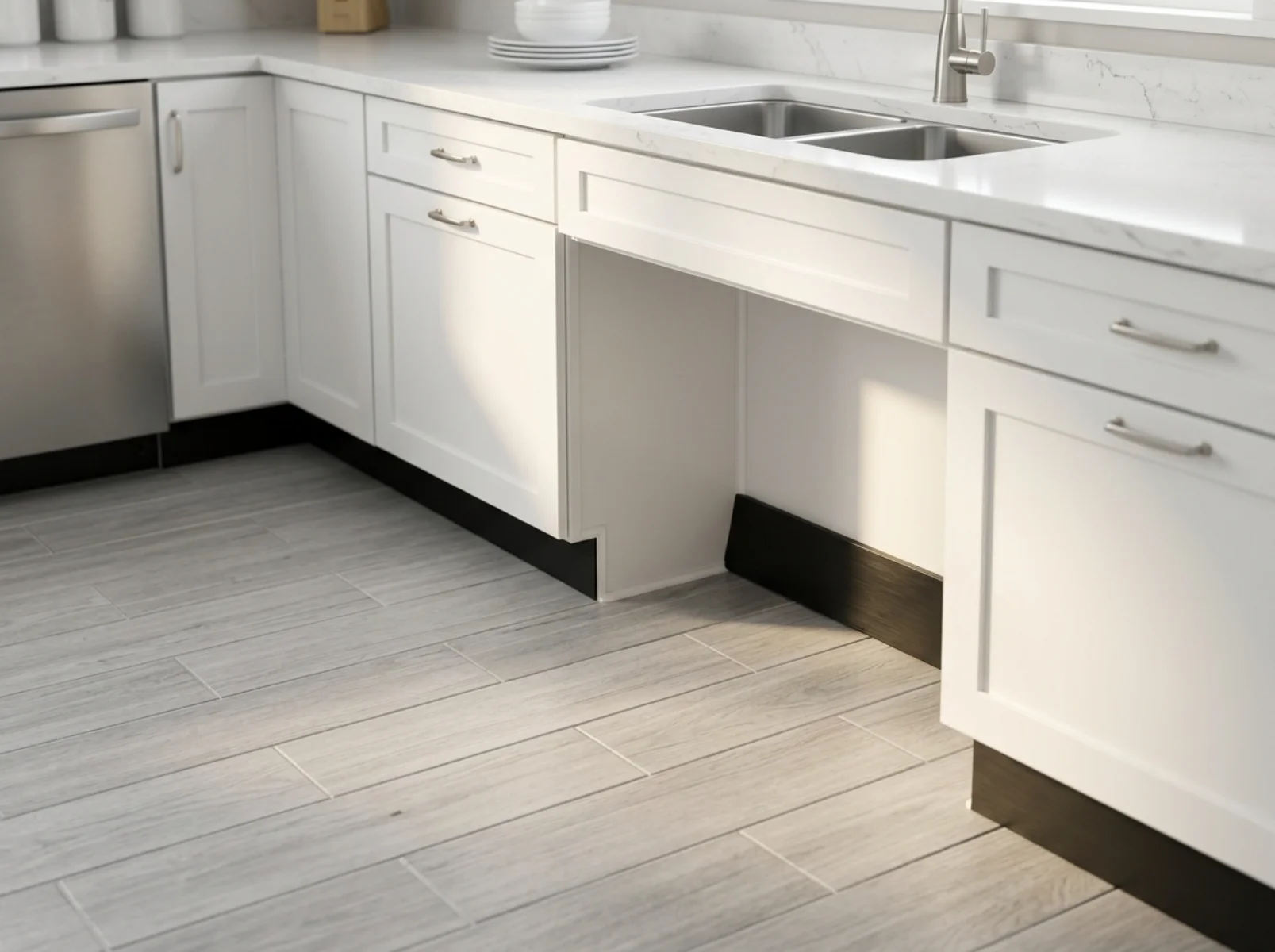
Pre-war stone and block foundations settle and open up, and a gap the width of a pencil is enough for a house mouse to get into the basement.
Cleveland doubles share walls, floors and utility chases, so German cockroaches and bed bugs move between units without ever going outside.
Cluster flies, boxelder bugs and lady beetles gather on warm walls in October and work in through soffit gaps, attic vents and old window frames.
Damp basement sill plates and porch posts give carpenter ants and subterranean termites somewhere to work quietly for years.
Alley bins and shared refuse areas behind older streets pull Norway rats toward the buildings that back onto them.
Why Cleveland Homes Deal With These Pests Specifically
Two things drive nearly every call here — the age of the housing, and how sharply the season turns.
Old buildings were never sealed to begin with
A large share of Cuyahoga County’s housing predates the Second World War. Those buildings were built to breathe, not to seal, and the gaps that made sense for ventilation in 1920 are the exact routes rodents and overwintering insects use now.
Trapping without sealing. Traps clear what is already inside, but if the foundation gaps, vents and utility penetrations stay open, the next group is in within weeks.
October decides how the winter goes
Rodents, cluster flies, boxelder bugs and lady beetles all move indoors during a short window as the lake wind turns. Once they are in a wall void or an attic there is very little a spray can do about it.
Waiting for the problem to show up in January. By then the animals are already inside and the useful work — sealing soffits, screening vents, closing foundation gaps — is six weeks too late.

What to Expect From a Local Pro’s Visit
Every Cleveland property is different, but the sequence stays the same, and here it usually begins with the building envelope rather than the pest.
Inspect
Full inspection: wood-to-soil contact, crawl space, lawn and mounds, plumbing areas, mulch and firewood placement.
→Identify
Confirming the species, since German roach work, Norway rat exclusion and carpenter ant treatment are three completely different jobs.
→Treat
Matched to the finding: targeted roach baiting, exclusion and sealing work, carpenter ant treatment, or a termite inspection.
→Seal
Correcting wood-to-soil contact, screening crawl space vents, and pulling mulch and firewood back off the wall.
→Follow Up
Ongoing service through the year, with the exclusion work booked for September before the first cold snap.
→How PestAlly Works in Cleveland
PestAlly doesn’t perform the pest control ourselves — we connect you with vetted, independent local professionals who do.
Get Started →Tell us what’s going on
The pest, and roughly where in the Cleveland area you’re located.
We match you with an independent, local pro
Someone who services your specific neighborhood.
You deal directly with that contractor
Pricing, scheduling, and the work itself are between you and them.
Frequently Asked Questions
Are termites actually a problem in Cleveland?⌄
Present, though not the headline problem. Eastern subterranean termites are established across Cuyahoga County and they work slowly in damp basement sill plates and porch footings. In Cleveland the more common structural finding is carpenter ants in wood that already took on moisture.
Why do roaches keep coming back after treatment?⌄
Usually because the connected unit was never treated. In doubles and apartment stock the population survives in the shared wall and moves back within weeks. The treatment that holds covers every connected unit at once.
When are mosquitoes worst in Cleveland?⌄
Late June through August, heaviest near the Cuyahoga, the Metroparks wetlands and in yards that hold water after a storm. A barrier spray holds three to four weeks — pair it with clearing gutters, saucers and anything else standing.
Do I need pest control through a Cleveland winter?⌄
Yes, and winter is when a lot of it matters. Rodents, German cockroaches and bed bugs are all entirely indoor problems by December, and a hard freeze concentrates rodent pressure indoors rather than reducing it.
Does PestAlly serve my specific Cleveland neighborhood?⌄
PestAlly connects homeowners throughout Cleveland and Cuyahoga County, including ZIP codes 44102, 44103, 44105, 44106, 44109, 44111, 44113, 44114, 44118, 44120, 44127 and 44134 among others, plus the surrounding communities of Euclid, Lakewood, Strongsville, Westlake and Mentor. If you are not sure whether your address is covered, call and we will tell you straight away.
Get Connected With a Local Cleveland Pest Control Pro
Whether it’s rats in an old basement, roaches moving through a shared wall in a double, or cluster flies covering the attic window in October, PestAlly puts you in touch with an independent local pro who works Cuyahoga County.
Looking beyond Cleveland? See every Ohio city we cover →