
Pest Control in Columbia, SC
Connect With a Local Pro
Who Knows the Midlands
PestAlly connects Columbia and Richland County homeowners with independent,
local pest control pros who know why older neighbourhoods carry higher
termite risk and what a Midlands summer brings.
Columbia Is Hot, Wet and Sits in a Bowl Between Three Rivers
Columbia calls itself Famously Hot and the nickname is doing real work — this is one of the hottest cities in the Southeast, sitting in a low bowl where the Broad and Saluda meet to form the Congaree, with Lake Murray just to the west. Heat plus that much surface water plus Midlands humidity produces pest pressure that runs almost the whole year. Palmetto bugs come in from mulch beds and drains looking for moisture, fire ants rebuild across every open yard after each thunderstorm, and eastern subterranean termites work the damp Midlands soil without much of a break. The University of South Carolina adds the other half of the picture: a large rental market with constant turnover, which is how German cockroaches and bed bugs keep circulating through the same buildings year after year. PestAlly connects Columbia homeowners with independent, local pros who work the Midlands.
Get Connected With a Local Pro →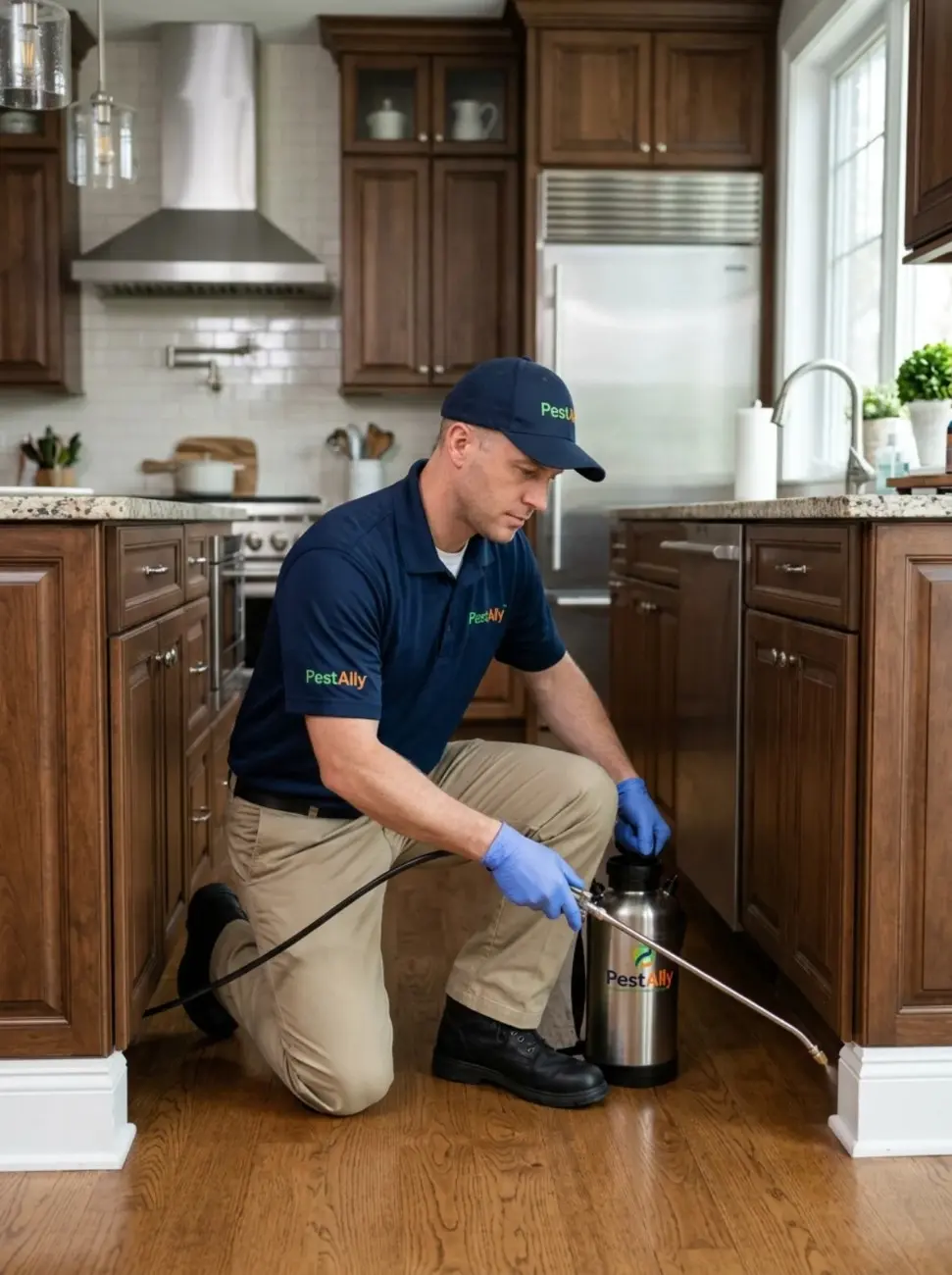
At a Glance
Service Area
Columbia, SC and surrounding Richland and Lexington County communities
Most Common Pests
Palmetto bugs and German cockroaches, eastern subterranean termites, fire ants, mosquitoes, Norway rats, bed bugs, spiders, silverfish
Peak Pest Season
Roaches and mosquitoes through the long summer; termites year-round
Response Time
Same-day and next-day appointments typically available
Columbia’s Year-Round Pest Calendar
Extreme summer heat and three rivers worth of humidity give Columbia one of the longest pest seasons in the state.
Winter
Dec – FebRodents move into attics and crawl spaces; termites feed on below ground
Mild Midlands winter keeps roaches and ants ticking over indoors
Humidity climbs and ant trails start appearing along baseboards
Spring
Mar – MaySubterranean termite swarms begin across Richland County
Peak swarm month; fire ant mounds spread through every open yard
Mosquitoes build after each afternoon thunderstorm
Summer
Jun – AugPeak heat; palmetto bugs move indoors hunting for moisture
Heaviest humidity of the year; roach pressure at its highest
Storm rain rebuilds fire ant mounds within days
Fall
Sep – NovUniversity turnover drives a spike in bed bug and roach reports
Mosquitoes ease off; rodents begin moving toward buildings
Insects slow above ground while termites keep working below it
One exception: in a Columbia August the coolest and dampest place for a few hundred metres is often inside the house. That reframes the problem: palmetto bugs and ants are not invading so much as relocating, and the fix is usually outside the wall rather than inside it.
Services We Cover in Columbia
A Forest Acres older home, an Rosewood property or a newer build on the edge of town — here’s what the local pros in our network handle.
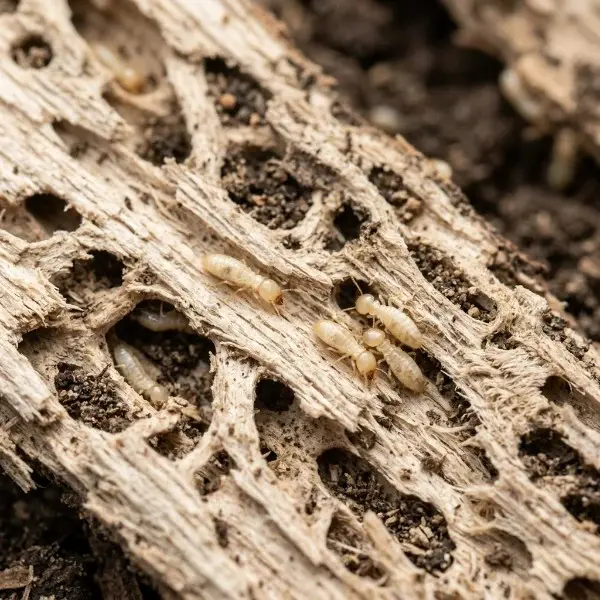
Termites
Eastern subterranean termites are active across Richland and Lexington counties and the damp Midlands soil suits them well.
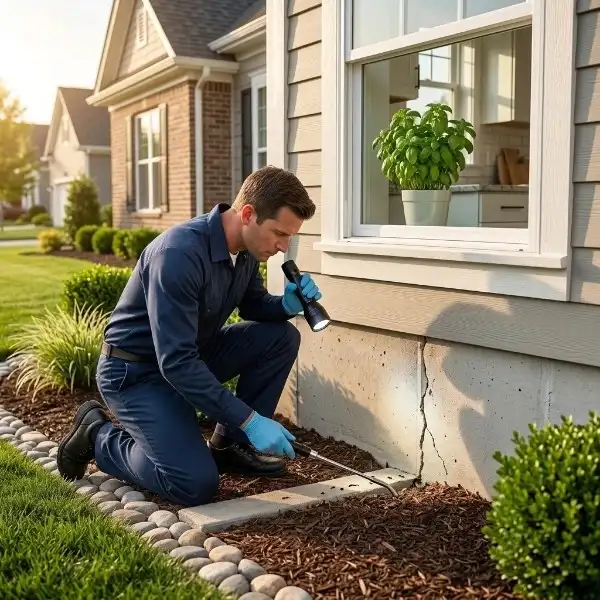
Ants
Fire ants own the open yards here and rebuild after every storm, while Argentine ants trail indoors as soon as heavy rain pushes them out.
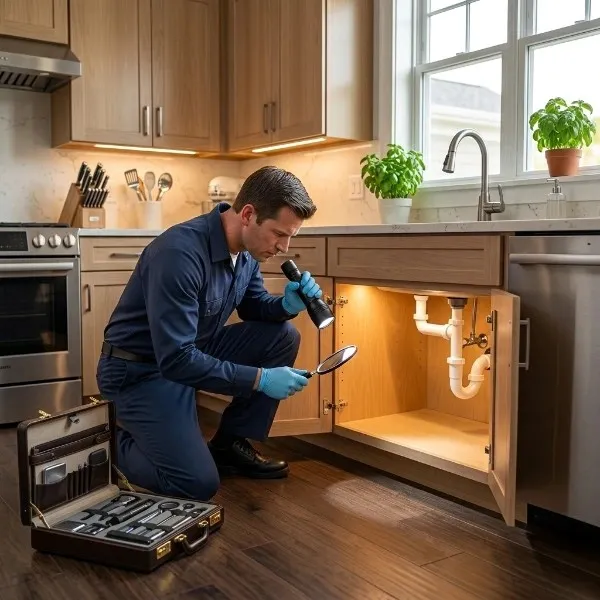
Roaches
Palmetto bugs come in from mulch and drains looking for moisture, and German roaches move between units across Columbia’s rental stock.
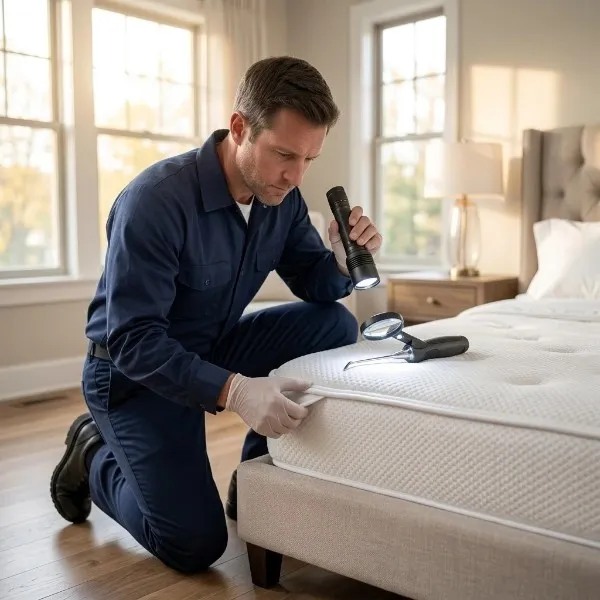
Bed Bugs
University of South Carolina turnover, rentals and second-hand furniture keep bed bugs circulating through Columbia housing year-round.

Fleas
Hot humid yards, pets and urban wildlife keep flea and tick populations going through most of the Columbia year.
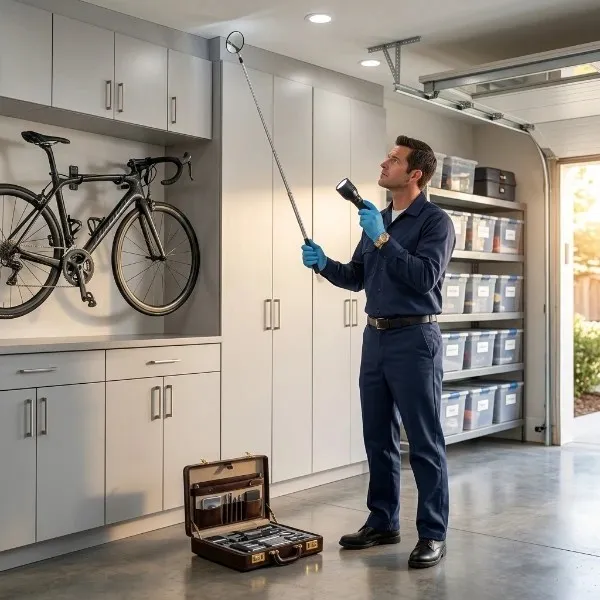
Spiders
Widow and wolf spiders take over crawl spaces, garages and porches, feeding on the insects the humidity sustains.
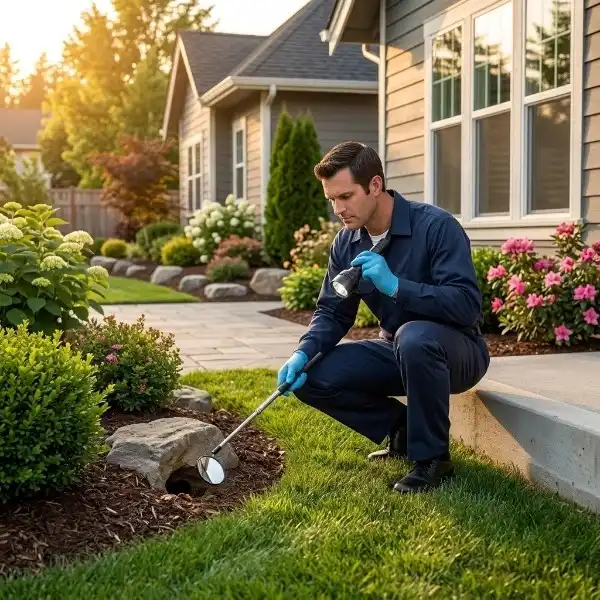
Yellow Jackets
Ground and void nests build fast through the humid summer and turn defensive quickly around decks and play areas.

Wasps
Paper wasps and carpenter bees work eaves, decks, porches and untreated trim right through the long warm season.
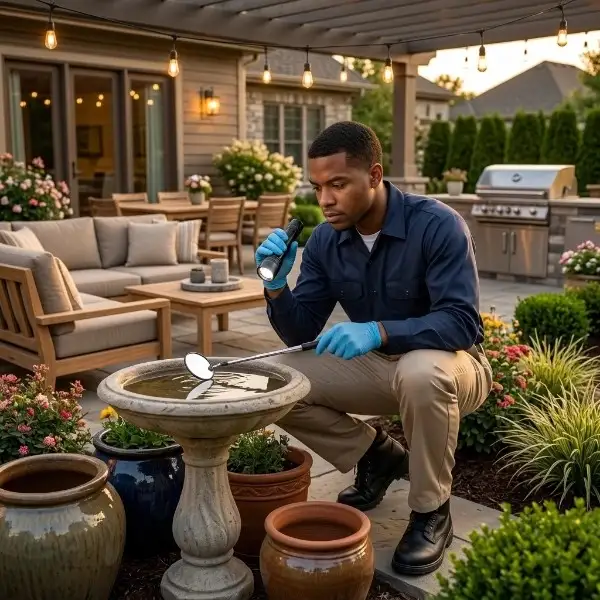
Mosquitoes
Mosquitoes build fastest after Columbia’s afternoon thunderstorms and in low ground near the Congaree and Broad rivers.
Flies
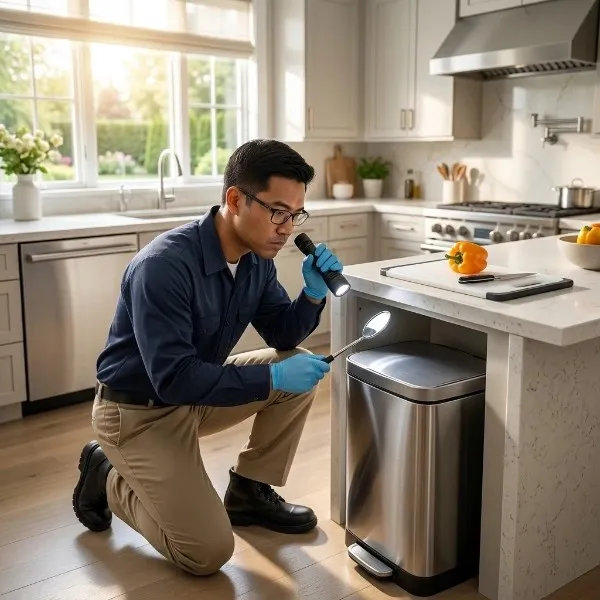
Drain and filth flies trace to a specific source — usually a drain, bin area or grease line — rather than needing the room treated.
General Insects
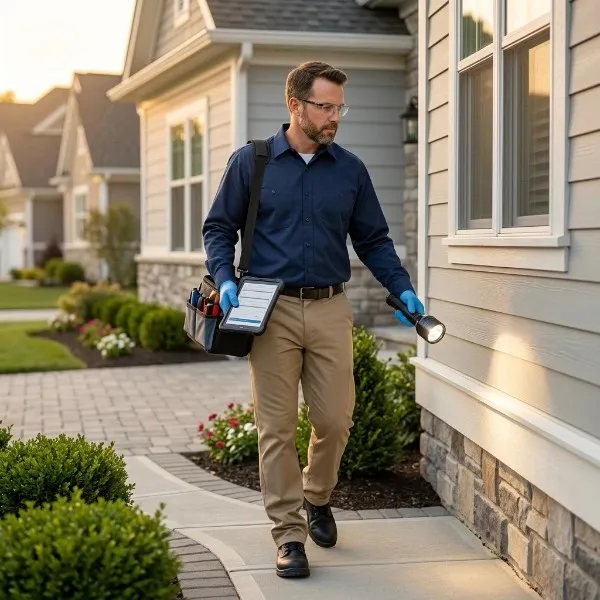
Silverfish and camel crickets are constants in damp Midlands crawl spaces, and they point to a moisture problem underneath.

General Rodents
Norway rats and roof rats work drains, attics and crawl spaces, moving hardest toward buildings as autumn nights cool.
Trusted by Homeowners Across the Country
Licensed & Insured
Every pro in the network carries current licensing and insurance.
Same-Day Service
Same-day and next-day appointments typically available.
100% Satisfaction Guarantee
If the pest comes back, your pro comes back — that is the standard.
Locally Trusted Experts
Independent pros who actually live and work in your area.
No Obligation to Book
Talk to a pro first. Nothing is committed until you say so.
Vetted Pro Network
We screen every contractor before they join the PestAlly network.

Most Common Pest Entry Points in Columbia Homes
Palmetto bugs are outdoor insects that come in looking for moisture, and weep holes and worn door sweeps are the route they use.
Midlands crawl spaces stay humid most of the year, and a torn vent screen or failed vapour barrier is all rodents and crickets need.
Deep mulch holds moisture right against the wall and is the single most reliable place to find palmetto bugs and ants staging before they come in.
Wood in contact with damp Midlands soil is the direct route eastern subterranean termites use to reach the structure.
Shared walls and utility chases in rental housing let German cockroaches and bed bugs move between units without going outside.
Why Columbia Homes Deal With These Pests Specifically
Two things drive nearly every call here — heat that does not let up, and a very large rental market.
Heat drives insects toward the house, not away from it
In a Columbia August the coolest, dampest place for several hundred metres is often inside a building. Palmetto bugs, ants and spiders are not invading, they are relocating, and they will keep doing it while the conditions hold.
Treating the interior repeatedly and leaving deep mulch and debris against the foundation. The staging ground outside is what refills the house.
Rental turnover keeps roaches and bed bugs in circulation
Where units share walls and change hands frequently, German cockroaches and bed bugs never really leave the building — they move to whichever unit is untreated and come back later.
Treating a single unit and expecting it to hold. In multi-unit Columbia housing the treatment that works covers the connected units at the same time.
What to Expect From a Local Pro’s Visit
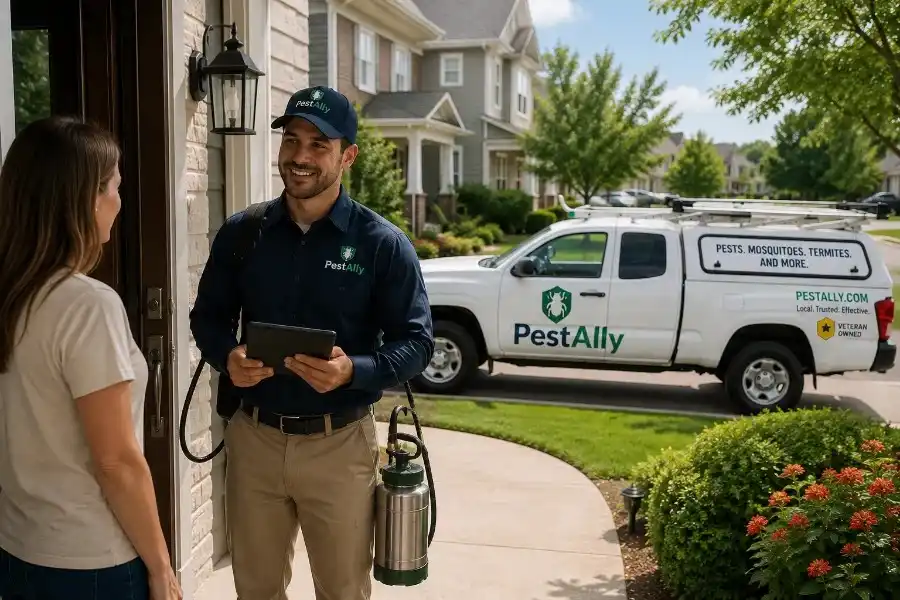
Every Columbia property is different, but the sequence stays the same, and here it usually starts just outside the foundation wall.
Inspect
Full inspection: wood-to-soil contact, crawl space, lawn and mounds, plumbing areas, mulch and firewood placement.
→Identify
Confirming the species, since palmetto bug control, German roach work and termite treatment are three completely different jobs.
→Treat
Matched to the finding: exterior harbourage reduction with a perimeter treatment, targeted roach baiting, termite work, or a mosquito programme.
→Seal
Correcting wood-to-soil contact, screening crawl space vents, and pulling mulch and firewood back off the wall.
→Follow Up
Ongoing service through a long active season, with the exterior reviewed again after the summer storm period.
→How PestAlly Works in Columbia
PestAlly doesn’t perform the pest control ourselves — we connect you with vetted, independent local professionals who do.
Get Started →Tell us what’s going on
The pest, and roughly where in the Columbia area you’re located.
We match you with an independent, local pro
Someone who services your specific neighborhood.
You deal directly with that contractor
Pricing, scheduling, and the work itself are between you and them.
Frequently Asked Questions
Is termite risk really that high in Columbia?⌄
Yes. Eastern subterranean termites are active across Richland and Lexington counties and the damp Midlands soil suits them well. Swarms come every spring, and homeowners insurance does not cover the damage anywhere in the country.
Why do palmetto bugs keep getting inside?⌄
Because they live outside. Palmetto bugs breed in mulch, drains and yard debris and come in for moisture, so interior spraying without dealing with the mulch line and the weep holes only ever buys a few weeks.
When are mosquitoes worst in Columbia?⌄
Late spring through early autumn, building fastest after the afternoon thunderstorms and heaviest in low ground near the rivers. A barrier spray holds three to four weeks and less after heavy rain.
Do I need pest control through a Columbia winter?⌄
Yes. Columbia winters are mild enough that roaches, ants and rodents stay active, and termites keep feeding below ground whatever the air temperature does.
Does PestAlly serve my specific Columbia neighborhood?⌄
PestAlly connects homeowners throughout Columbia and Richland County, including ZIP codes 29201, 29203, 29204, 29205, 29206, 29207, 29208, 29209, 29210, 29212, 29223, 29225 and 29229, plus the surrounding communities of West Columbia, Lexington, Irmo, Cayce and Blythewood. If you are not sure whether your address is covered, call and we will tell you straight away.
Get Connected With a Local Columbia Pest Control Pro
Whether it’s palmetto bugs coming in from the mulch in August, fire ants rebuilding after a storm, or roaches moving between units in a rental, PestAlly puts you in touch with an independent local pro who works the Midlands.
Looking beyond Columbia? See every South Carolina city we cover →