
Pest Control in Conway, SC
Connect With a Local Pro Who Knows Horry County
Conway sits on a bend of the Waccamaw River, the old county seat with a historic centre of live oaks and Spanish moss, a riverwalk along blackwater, and cypress swamp on every side. Coastal Carolina University sits just outside it. Blackwater swamp and very old shade trees define the setting and the pest work. PestAlly is a free service connecting Conway homeowners with independent, licensed local pest control pros working Horry County.
Call (888) 921-7764Speak to a Local ProWhy Conway
Why Conway Homes Get Hit Harder Than Most
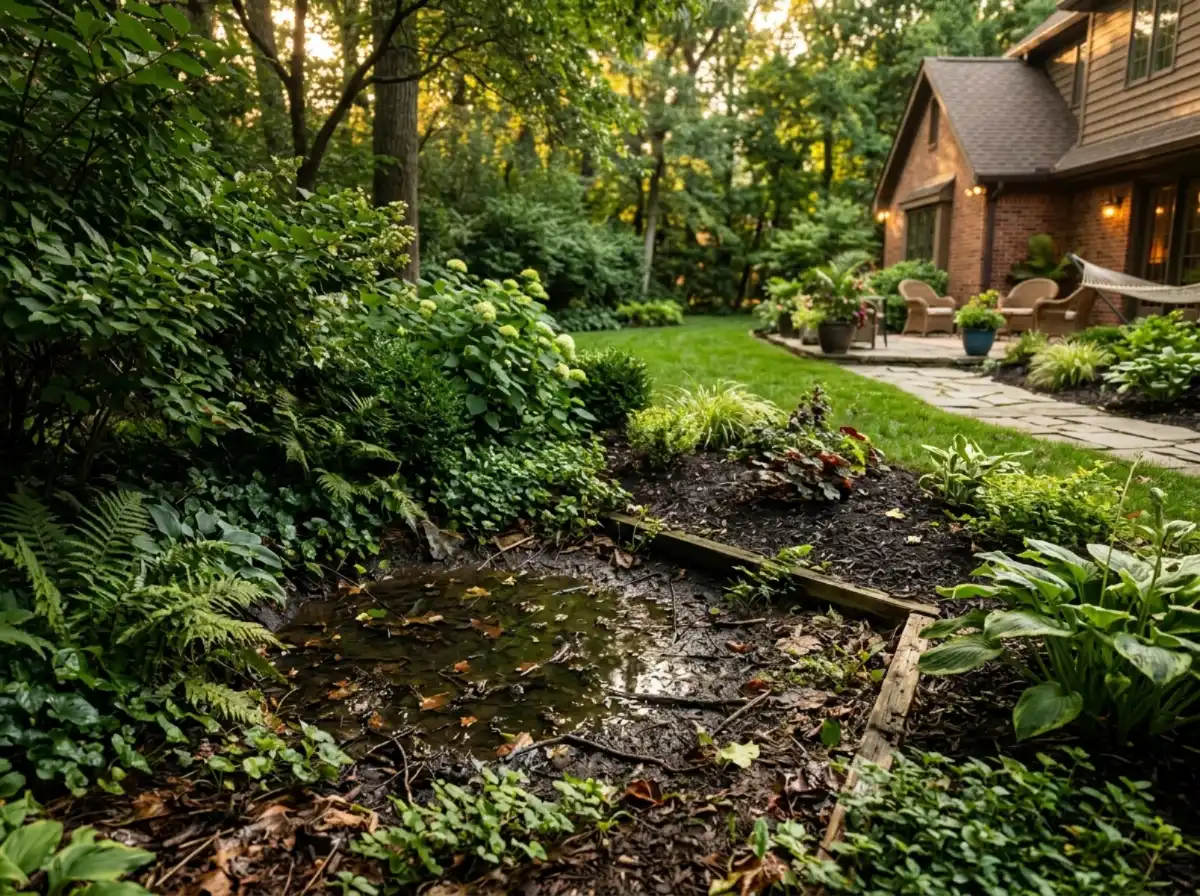
Blackwater cypress swamp is permanent standing water that no drainage will change. It holds water regardless of rainfall, stays deeply shaded, and gives mosquitoes both breeding habitat and cool daytime resting cover — the combination that makes garden container removal alone feel useless here. The Waccamaw also floods: Conway has taken major river flooding after hurricanes, which leaves crawl spaces saturated for months afterwards.
Old shade trees and university turnover supply the rest. Live oaks over historic housing give squirrels and roof rats a direct bridge to roof lines, and Spanish moss and heavy canopy keep gutters blocked and timber wet in permanent humidity. Student rental turnover moves furniture and bed bugs each academic year, and heavy South Carolina termite pressure works on old sills close to damp swamp-edge soil.
Seasonal Activity
What’s Active in Conway, and When
Spring · Mar–May
Termite swarms after warm rain, mosquitoes starting early off the swamp, and squirrels in attics.
Summer · Jun–Aug
Heaviest mosquito pressure of the year off blackwater, and roaches active in damp crawl spaces.
Fall · Sep–Nov
Hurricane season and river flooding risk, and rodents moving in as the water drops.
Winter · Dec–Feb
Mild winters keeping activity going, with roof rats in attics and termites still working.
Coverage
Areas We Cover in Conway
The blackwater cypress swamp
Permanent standing water in deep shade, holding mosquitoes regardless of recent rainfall.
The Waccamaw river frontage
Major flood history, leaving crawl spaces and subfloor saturated for months afterwards.
The live oak and Spanish moss canopy
Old shade trees giving squirrels and roof rats a direct bridge to historic roof lines.
The historic town centre
Old timber on piers with sills close to damp swamp-edge soil under heavy pressure.
The student rental housing
Academic-year turnover moving furniture and bed bugs through the stock.
Conway is the seat of Horry County, inland from Myrtle Beach on the Waccamaw River, a historic town of live oaks and Spanish moss beside blackwater cypress swamp.
See the whole state on our South Carolina pest control page, the metro hub in Myrtle Beach, or the nearby towns we also cover: North Myrtle Beach, Murrells Inlet, Camden, Dalzell.
Services
The Pest Problems Conway Calls About Most
Mosquito Control
Blackwater swamp holds water and shade permanently, so container control alone never settles it.
Termite Control
Old sills close to damp swamp-edge soil meet heavy South Carolina subterranean pressure.
Rodent Control
Live oak limbs put roof rats and squirrels straight onto historic roof lines.
Cockroach Control
Smokybrown roaches breed in permanently damp crawl spaces and come up through floors at night.
Bed Bug Treatment
University turnover moves mattresses and furniture through the rental stock each year.
General Pest Control
Swamp litter holds ticks and chiggers, and mild winters mean very little dies back.
Also available in Conway: Ant Control · Spider Control · Wasp Nest Removal · Yellow Jacket Removal · Flea Control · Fly Control
Common Questions
Conway Pest Questions, Answered
Mosquitoes are far worse here than at the beach.
What should we do after river flooding?
Scratching in the attic of an old house.
Termites in a historic house near the swamp.
Spanish moss and blocked gutters.
Speak to an Exterminator in Conway
Tell us on the call what you’re dealing with and we’ll connect you with an independent, licensed exterminator working in Horry County. Using PestAlly costs nothing and there is no obligation.
Call (888) 921-7764