
Pest Control in Myrtle Beach, SC
Connect With a Local Pro
Who Knows the Grand Strand
PestAlly connects Myrtle Beach and Horry County homeowners with independent,
local pest control pros who know why older neighbourhoods carry higher
termite risk and what a Grand Strand summer brings.
On the Grand Strand, Sand and Tourists Set the Pest Year
Myrtle Beach has two things working against it at once. The first is the ground: sandy, moisture-rich coastal soil is close to ideal for subterranean termites, and South Carolina has eight established termite species between the subterranean and drywood groups. The second is people. Sixty miles of Grand Strand rentals, condos and hotels turn over constantly through the season, and that movement of luggage, mattresses and second-hand furniture is exactly how bed bugs travel. Between the two sits a mosquito season that barely closes — coastal humidity, salt marsh, golf course water features and a warm ocean keep it running for most of the year. Palmetto bugs come in from mulch and pine straw looking for moisture, and roof rats work the palm canopy and attics. PestAlly connects Myrtle Beach homeowners with independent, local pros who work the Grand Strand.
Get Connected With a Local Pro →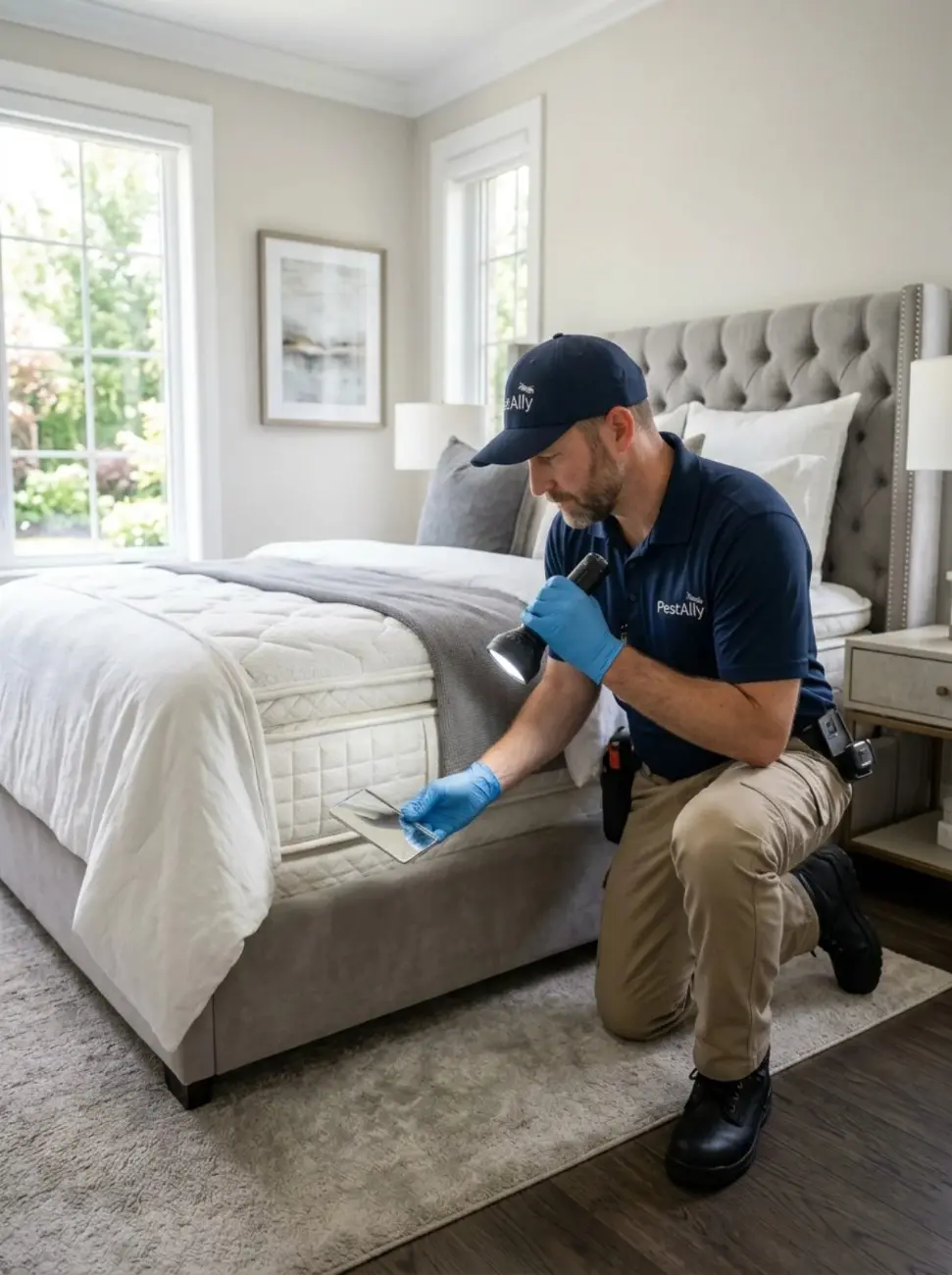
At a Glance
Service Area
Myrtle Beach, SC and surrounding Horry County communities
Most Common Pests
Subterranean and drywood termites, palmetto bugs, mosquitoes, bed bugs, roof rats, fire ants, silverfish, spiders
Peak Pest Season
Mosquitoes nearly year-round; bed bugs peak with the tourist season
Response Time
Same-day and next-day appointments typically available
Myrtle Beach’s Year-Round Pest Calendar
Sandy coastal soil and a season that never really ends keep the Grand Strand busy all twelve months.
Winter
Dec – FebRoof rats work attics and palms; termites feed on in warm sandy soil
Mildest winter on the Carolina coast — roaches never fully stop
Humidity climbs and ants begin trailing indoors
Spring
Mar – MaySubterranean termite swarms begin across Horry County
Peak swarm month; the rental season begins and bed bug reports rise
Mosquitoes build in marsh, ditches and golf course water features
Summer
Jun – AugPeak tourist month — bed bug reports at their highest of the year
Heaviest humidity; palmetto bugs move in from mulch and pine straw
Storm rain rebuilds fire ant mounds across sandy yards within days
Fall
Sep – NovHurricane season rain floods crawl spaces along the Strand
Season winds down; rodents begin moving toward buildings
Insects slow above ground while termites carry on below it
One exception: the rental calendar matters as much as the weather one. Bed bug reports here track the tourist season rather than the temperature, which is why a property that changes hands every week needs inspection on a schedule an owner-occupied house never would.
Services We Cover in Myrtle Beach
A Carolina Forest older home, an Socastee property or a newer build on the edge of town — here’s what the local pros in our network handle.
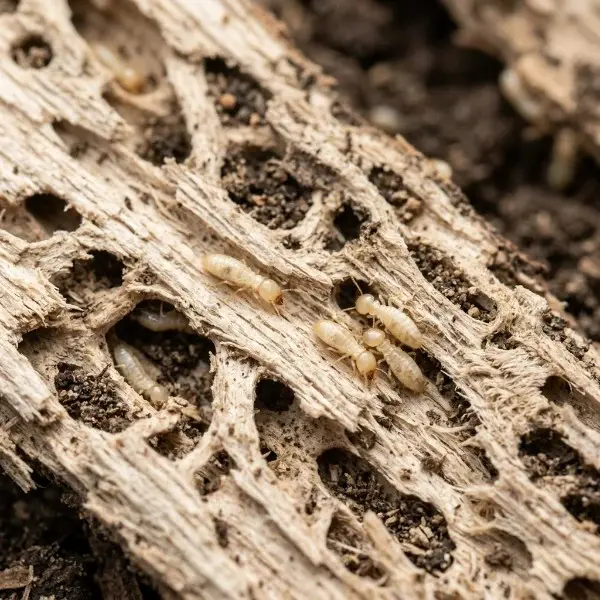
Termites
Sandy, moisture-rich coastal soil suits subterranean termites and South Carolina has eight established species between the subterranean and drywood groups.
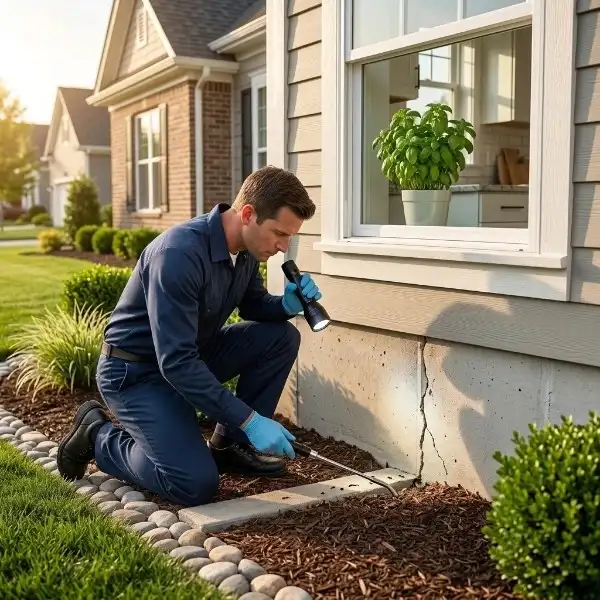
Ants
Fire ants rebuild across sandy yards after every storm, and Argentine ants trail indoors whenever heavy rain pushes them out of the soil.
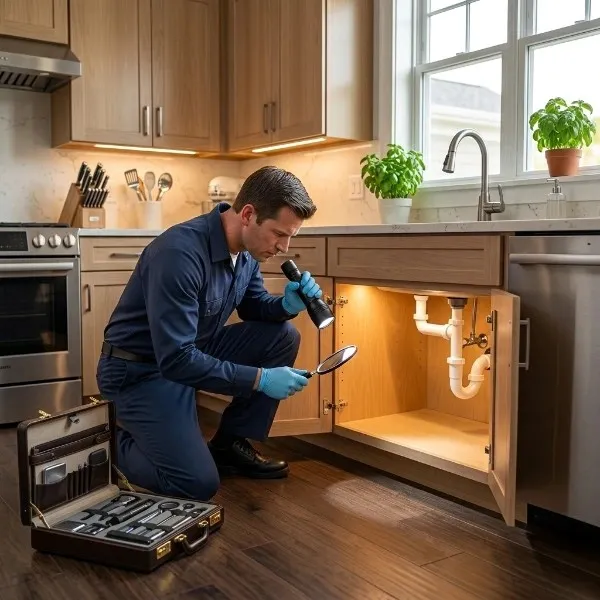
Roaches
Palmetto bugs come in from mulch and pine straw hunting moisture, while German roaches move through rental and condo stock.
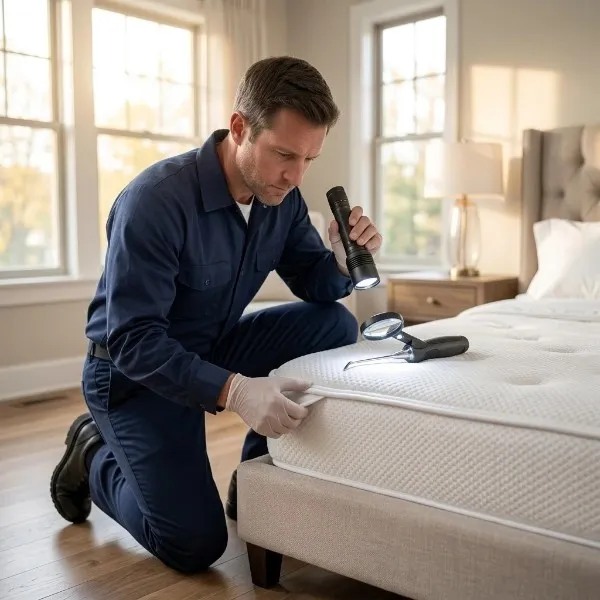
Bed Bugs
Grand Strand rentals, hotels and constant visitor turnover make bed bugs one of the defining Myrtle Beach pest problems.
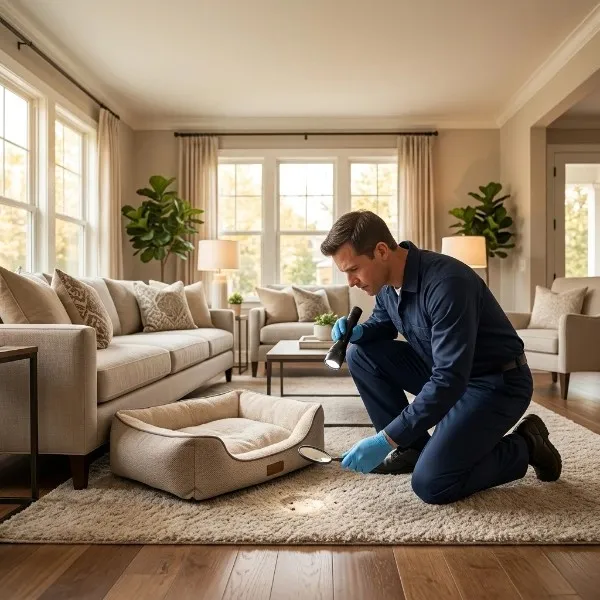
Fleas
Warm sandy yards, pets and coastal wildlife keep flea and tick pressure running for most of the year here.
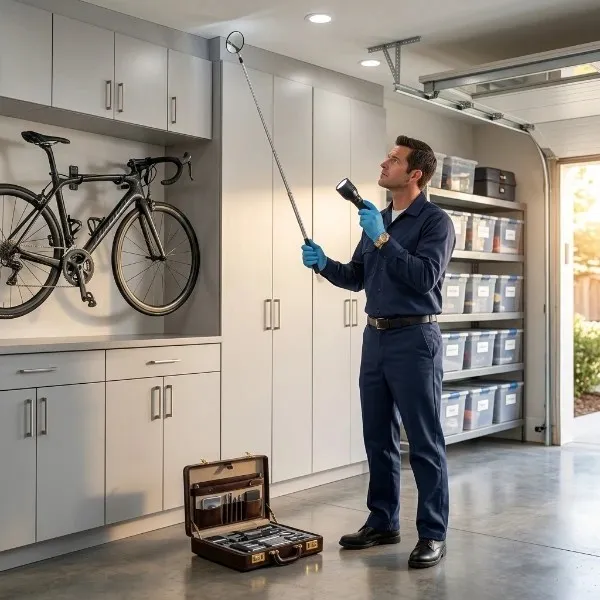
Spiders
Widow and wolf spiders shelter in crawl spaces, garages and under decks, feeding on what the humidity sustains.
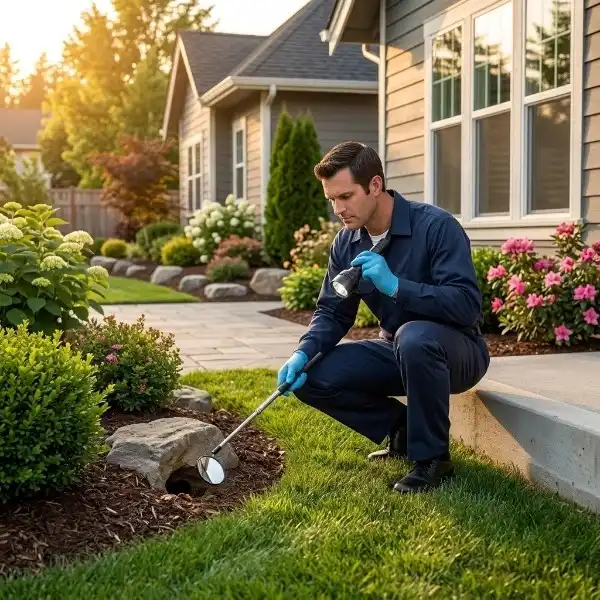
Yellow Jackets
Ground and void nests build fast through the humid summer and turn defensive quickly around decks and play areas.
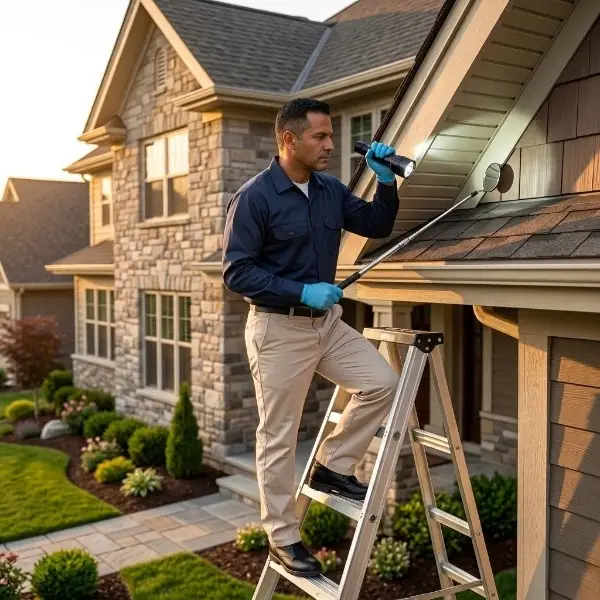
Wasps
Paper wasps and carpenter bees work eaves, decks, porches and untreated trim right through the long warm season.
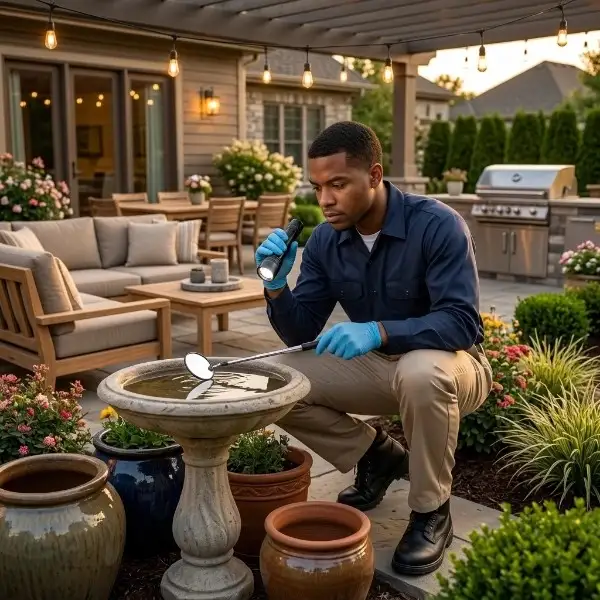
Mosquitoes
Coastal humidity, marsh and golf course water features give Myrtle Beach a mosquito season that barely closes.
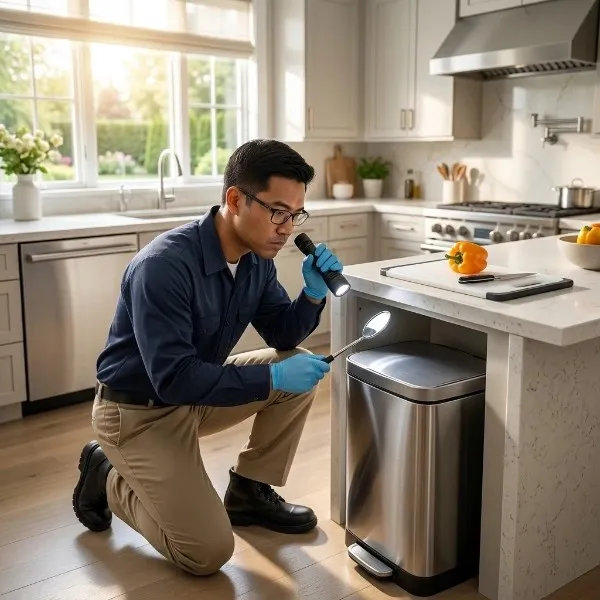
Flies
Drain and filth flies trace to a specific source — usually a drain, bin area or grease line — rather than needing the room treated.
General Insects
Silverfish and earwigs are constants in damp Grand Strand crawl spaces, and they usually point to a moisture problem.

General Rodents
Roof rats work palm canopy, attics and garages, and they are far more common along the coast than most homeowners expect.
Trusted by Homeowners Across the Country
Licensed & Insured
Every pro in the network carries current licensing and insurance.
Same-Day Service
Same-day and next-day appointments typically available.
100% Satisfaction Guarantee
If the pest comes back, your pro comes back — that is the standard.
Locally Trusted Experts
Independent pros who actually live and work in your area.
No Obligation to Book
Talk to a pro first. Nothing is committed until you say so.
Vetted Pro Network
We screen every contractor before they join the PestAlly network.

Most Common Pest Entry Points in Myrtle Beach Homes
Sandy, moisture-rich coastal soil suits subterranean termites, and any wood touching it is a direct route into the frame of the house.
Grand Strand crawl spaces flood in storm season and rarely dry out, which is what silverfish, earwigs and roof rats are telling you.
Nearly every Myrtle Beach bed bug problem arrives with something carried in — a suitcase, a returned rental mattress, second-hand furniture.
Mulch and pine straw against the foundation holds moisture and is where palmetto bugs stage before coming inside.
Palm canopy and branches touching the roofline give roof rats a bridge straight to the soffit and the attic.
Why Myrtle Beach Homes Deal With These Pests Specifically
Two Grand Strand realities shape the work — sandy termite ground, and an economy built on turnover.
Sandy soil suits termites better than most people realise
South Carolina has eight established termite species, and the warm, moisture-holding sand along the coast supports subterranean colonies year-round. Activity here does not pause for winter the way it does inland.
Skipping the annual inspection because nothing is visible. Swarms are the only obvious sign, and a colony can work for years without producing one where you can see it.
Bed bugs are a transport problem, not a hygiene one
On the Grand Strand the volume of luggage and furniture moving through rental property every week is the mechanism. It has nothing to do with how clean a home is, and treating it as a cleanliness failure delays the actual fix.
Treating one bedroom. Bed bugs disperse into skirting, frames and adjoining rooms quickly, so a whole-unit treatment plus a follow-up is the only approach that reliably holds.
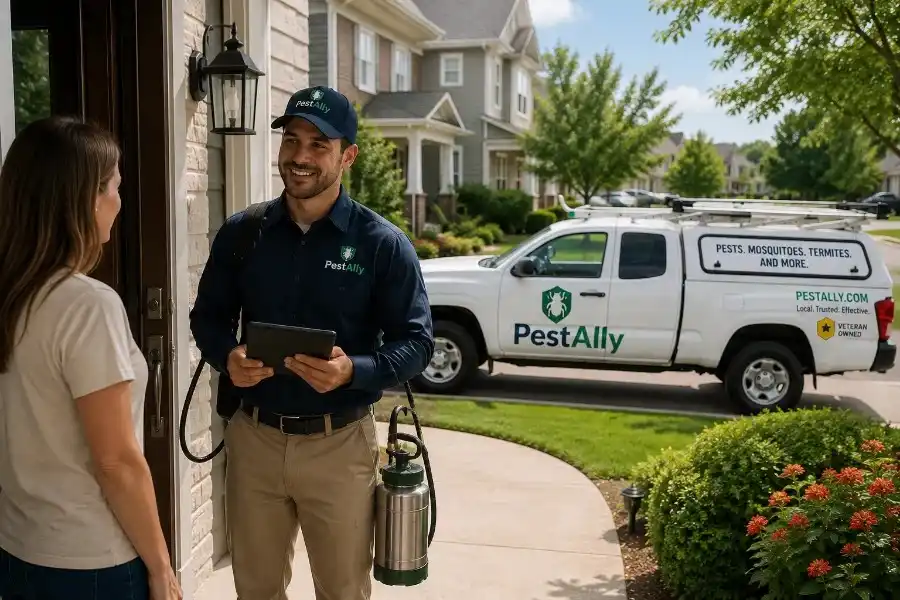
What to Expect From a Local Pro’s Visit
Every Myrtle Beach property is different, but the sequence stays the same, and here it usually starts with what came in through the door.
Inspect
Full inspection: wood-to-soil contact, crawl space, lawn and mounds, plumbing areas, mulch and firewood placement.
→Identify
Confirming the species, since termite work, palmetto bug control and bed bug treatment are three completely different jobs.
→Treat
Matched to the finding: termite baiting or a liquid barrier, exterior harbourage reduction, heat or chemical bed bug treatment, or a mosquito programme.
→Seal
Correcting wood-to-soil contact, screening crawl space vents, and pulling mulch and firewood back off the wall.
→Follow Up
Ongoing service through a twelve-month season, with crawl space checks after every major storm.
→Myrtle Beach Neighborhoods & Communities We Serve
PestAlly connects homeowners across Myrtle Beach and the surrounding Horry and Georgetown County communities.
Carolina Forest
→Socastee
→Surfside Beach
→Garden City
→Withers Swash
→Grande Dunes
→Pine Lakes
→Forestbrook
→Briarcliffe
→Market Common
→How PestAlly Works in Myrtle Beach
PestAlly doesn’t perform the pest control ourselves — we connect you with vetted, independent local professionals who do.
Get Started →Tell us what’s going on
The pest, and roughly where in the Myrtle Beach area you’re located.
We match you with an independent, local pro
Someone who services your specific neighborhood.
You deal directly with that contractor
Pricing, scheduling, and the work itself are between you and them.
Frequently Asked Questions
Is termite risk really that high in Myrtle Beach?⌄
Yes. Sandy, moisture-rich coastal soil suits subterranean termites and South Carolina has eight established species between the subterranean and drywood groups. A bond is worth having along this coast, and worth reading carefully.
Why do palmetto bugs keep getting inside?⌄
Because they live outdoors and come in for moisture. Palmetto bugs breed in mulch, pine straw and drains, so interior treatment without dealing with the mulch line and the weep holes only buys a few weeks.
When are mosquitoes worst in Myrtle Beach?⌄
Close to year-round here. Coastal humidity, marsh and golf course water features keep production going even in mild winters, so a seasonal programme rather than a one-off treatment is what actually works.
Do I need pest control through a Myrtle Beach winter?⌄
Yes. Myrtle Beach barely has a dormant season — roaches, rodents and silverfish stay active, and termites keep feeding in the warm sandy soil regardless of air temperature.
Does PestAlly serve my specific Myrtle Beach neighborhood?⌄
PestAlly connects homeowners throughout Myrtle Beach and Horry County, including ZIP codes 29572, 29575, 29577, 29579 and 29588, plus the surrounding communities of Conway, Murrells Inlet and North Myrtle Beach. If you are not sure whether your address is covered, call and we will tell you straight away.
Get Connected With a Local Myrtle Beach Pest Control Pro
Whether it’s a spring termite swarm, bed bugs that arrived with a rental changeover, or palmetto bugs coming in from the pine straw, PestAlly puts you in touch with an independent local pro who works the Grand Strand.
Looking beyond Myrtle Beach? See every South Carolina city we cover →