
Pest Control in Candler, NC
Connect With a Local Pro Who Knows Buncombe County
Candler is rural western Buncombe County — Hominy Creek running through it, farmland and pasture on the flatter ground, and forest rising toward Pisgah behind it. Housing is scattered rather than gridded, much of it on well and septic with outbuildings, and the national forest boundary is close enough that wildlife pressure is a daily fact rather than an occasional event. PestAlly is a free service connecting Candler homeowners with independent, licensed local pest control pros working Buncombe County.
Call (888) 921-7764Speak to a Local ProWhy Candler
Why Candler Homes Get Hit Harder Than Most
A national forest boundary changes the wildlife baseline entirely. Mice, squirrels, raccoons, bats and larger animals move along the forest edge continuously, and every outbuilding, crawl space and unsealed roof line is a candidate shelter. On rural mountain property the work that pays is physical — heavy mesh on vents and skirting, sealed soffit and gable entries, secured bins and feed — because there is no realistic way to reduce the population living on the other side of your fence.
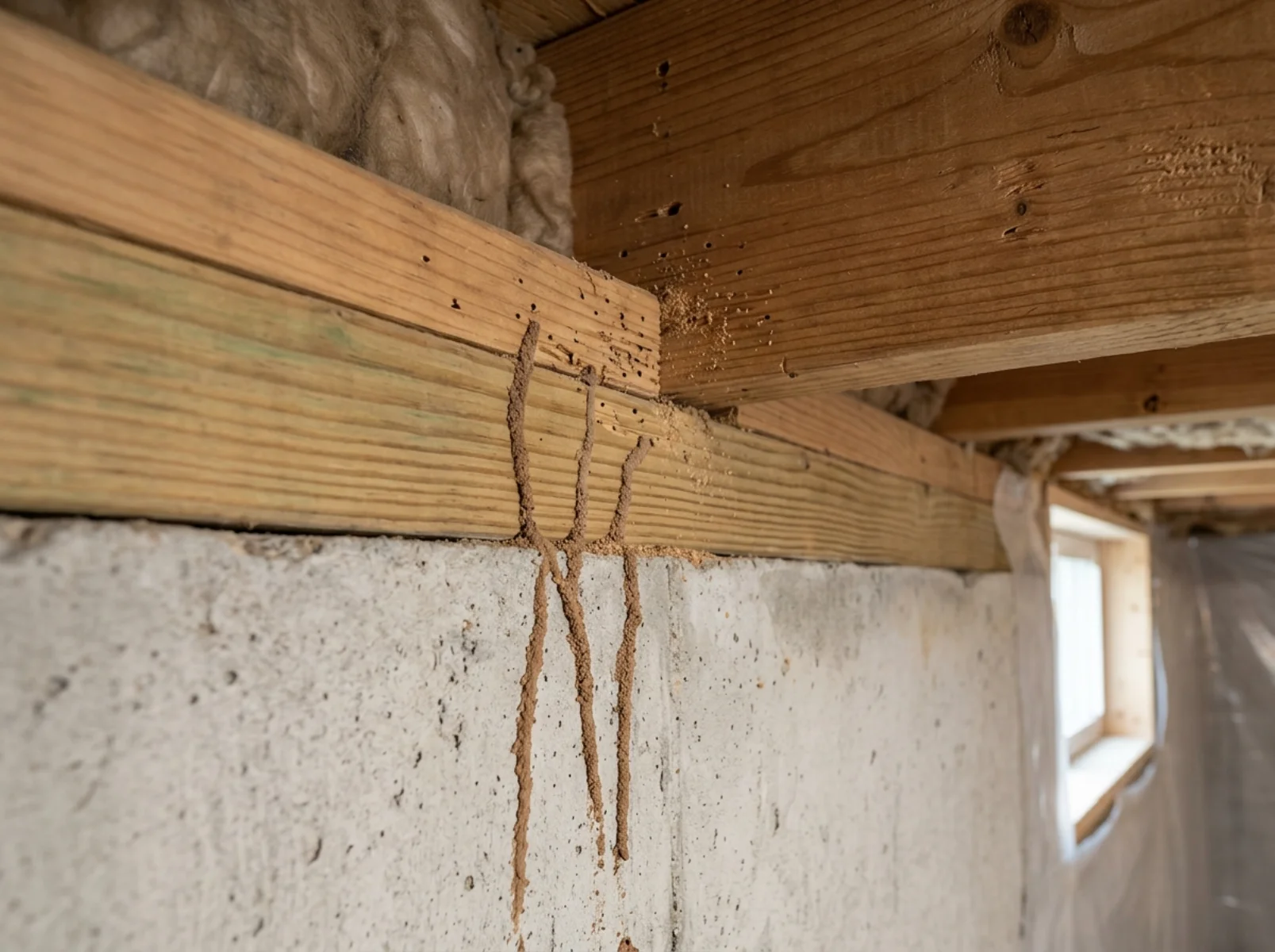
Damp and old buildings shape the insect year. Hominy Creek bottomland, deep shade and long wet spells keep timber and crawl spaces moist, which is what carpenter ants and camel crickets need, and old barns, springhouses and stone foundations offer plenty of both. Termite pressure is lighter than in the east but not absent. In autumn cluster flies, lady beetles and stink bugs mass on sunlit walls, and forest and pasture edges hold ticks all season.

Seasonal Activity
What’s Active in Candler, and When
Spring · Mar–May
Wildlife raising young in attics and outbuildings, carpenter ant swarmers indoors, and overwinterers waking.
Summer · Jun–Aug
Ticks heavy along forest and pasture edges, yellow jackets building, and flies around stock and manure.
Fall · Sep–Nov
Cluster flies and lady beetles massing on walls, and rodents moving in from forest and field as nights cool.
Winter · Dec–Feb
Rodents established in barns, crawl spaces and attics, and wildlife sheltering under decks and outbuildings.
Coverage
Areas We Cover in Candler
The Pisgah forest boundary
A continuous wildlife source at the fence line, with no realistic way to reduce it from your side.
The Hominy Creek bottomland
Damp low ground keeping timber and crawl spaces moist and holding mosquitoes in the warm months.
The farms, barns & springhouses
Stored feed, stone foundations and undisturbed clutter giving rodents ideal harbourage.
The scattered hillside housing
Crawl spaces, decks and unsealed roof lines offering shelter to everything moving along the forest edge.
The pasture & field margins
Rough grass and litter holding ticks and chiggers right against lawns and outbuildings.
Candler sits west of Asheville in Buncombe County along Hominy Creek, a rural mountain community of farmland, forest and scattered housing below Pisgah National Forest.
See the whole state on our North Carolina pest control page, the metro hub in Asheville, or the nearby towns we also cover: Arden, Black Mountain, Weaverville, Fletcher.
Services
The Pest Problems Candler Calls About Most
Rodent Control
A national forest boundary supplies rodents and wildlife continuously, so exclusion carries the weight here.
Ant Control
Carpenter ants follow damp softened timber, which creek bottomland and deep shade reliably produce.
General Pest Control
Forest and pasture edges hold ticks, and North Carolina spotted fever rates are among the highest nationally.
Yellow Jacket Removal
Sloping pasture and old burrows suit underground colonies, which peak in size and aggression in autumn.
Fly Control
Manure piles, feed and water troughs keep house and stable flies breeding from spring until the first frost.
Flea Control
Dogs and outdoor cats moving between forest, barn and house carry fleas and ticks straight indoors.
Also available in Candler: Spider Control · Wasp Nest Removal · Cockroach Control · Mosquito Control · Termite Control · Bed Bug Treatment
Common Questions
Candler Pest Questions, Answered
With the forest right there, can we actually reduce wildlife problems?
Something is living under the deck.
Bats in the roof.
Large black ants in the kitchen but no visible damage.
Ticks after every walk on the property.
Speak to an Exterminator in Candler
Tell us what you’re dealing with and we’ll connect you with an independent, licensed exterminator working in Buncombe County. Using PestAlly costs nothing and there is no obligation.
Call (888) 921-7764