
Pest Control in Strongsville, OH
Connect With a Local Pro Who Knows Cuyahoga County
Strongsville is a big, spread-out suburb built mostly between the 1960s and the 1990s, and what makes it unusual for Cuyahoga County is how much protected woodland runs through it — Mill Stream Run Reservation, the Rocky River valley and the Metroparks corridors cut through the middle rather than sitting at the edge. Large lots backing onto real woodland, not landscaping. PestAlly is a free service connecting Strongsville homeowners with independent, licensed local pest control pros working Cuyahoga County.
Call (888) 921-7764Speak to a Local ProWhy Strongsville
Why Strongsville Homes Get Hit Harder Than Most
A Metroparks boundary behind the garden is a permanent wildlife source. Deer move along those corridors in numbers and bring blacklegged ticks with them, the same corridors deliver squirrels, raccoons, opossums and mice to the building line year-round, and no treatment reduces a population living on protected land. What decides the outcome is whether your building and garden are worth entering — exclusion, harbourage and a treated buffer at the woodland edge.
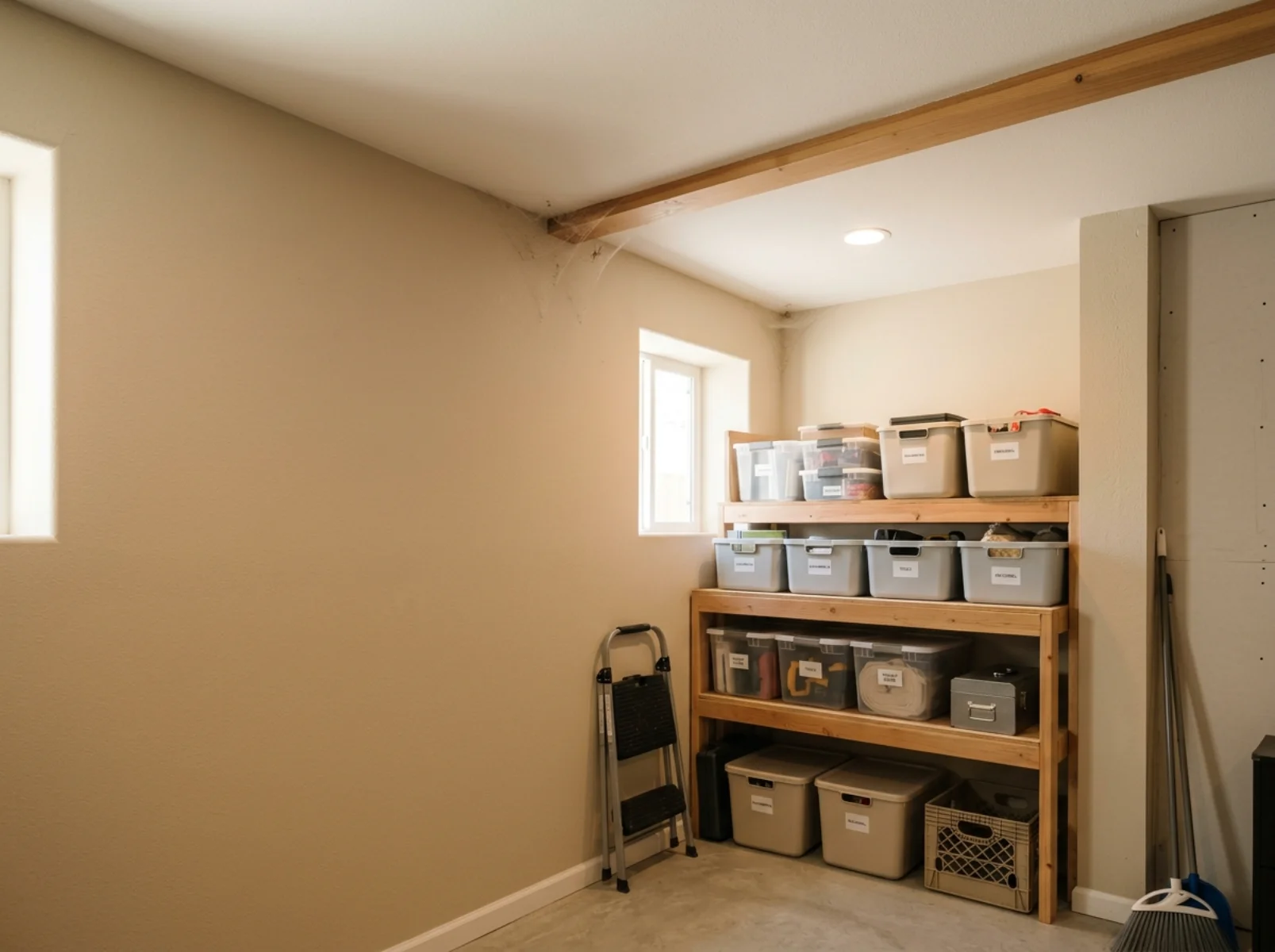
Suburban construction supplies the rest. Houses set on heavy Cuyahoga County clay hold water at the foundation, so basements stay damp enough for house centipedes, camel crickets and spiders, and lawns over that clay sit wet, which suits the earthworms moles hunt and the grubs that follow. Autumn is the pressure point — boxelder bugs, stink bugs and cluster flies mass on sunlit walls while mice move in from the woodland edge at the same time.

Seasonal Activity
What’s Active in Strongsville, and When
Spring · Mar–May
Ticks emerging along the Metroparks edge, moles working wet lawns, and wildlife raising young in attics.
Summer · Jun–Aug
Peak tick season on the woodland corridors, mosquitoes in shaded valley ground, and wasps under eaves.
Fall · Sep–Nov
Autumn invaders on sunlit walls, yellow jackets at their largest, and mice in from the woodland edge.
Winter · Dec–Feb
Mice and squirrels settled in attics and basements, and centipedes active in damp cellars.
Coverage
Areas We Cover in Strongsville
The Mill Stream Run & Metroparks edge
Protected woodland delivering deer, ticks and wildlife to the building line all year round.
The Rocky River valley corridors
Shaded damp ground and standing water, keeping mosquitoes going between rains.
The large-lot subdivisions
Gardens backing onto real woodland rather than landscaping, so the boundary is the pest line.
The clay-bound lawns & foundations
Heavy clay holding water at the wall and keeping soil wet enough for the worms moles hunt.
The sunlit south & west walls
The warm walls autumn invaders settle on before finding gaps at the siding and utility penetrations.
Strongsville sits at the south-western corner of Cuyahoga County, a large suburban city wrapped around the Mill Stream Run Reservation and the East Branch of the Rocky River.
See the whole state on our Ohio pest control page, the metro hub in Cleveland, or the nearby towns we also cover: Lakewood, Euclid, Westlake, Mentor.
Services
The Pest Problems Strongsville Calls About Most
General Pest Control
Deer moving along the Metroparks corridors keep bringing blacklegged ticks to the garden edge.
Rodent Control
Woodland corridors resupply mice, squirrels and raccoons continuously rather than seasonally.
Yellow Jacket Removal
Old burrows and undisturbed woodland edge soil suit ground nests, which peak in autumn.
Mosquito Control
Shaded river valley ground holds water and gives adults cool daytime resting cover all summer.
Spider Control
Damp clay-bound basements, window wells and porch corners give spiders shelter and steady prey.
Ant Control
Carpenter ants follow damp deck and fascia timber, and pavement ants push up through slab joints.
Also available in Strongsville: Wasp Nest Removal · Cockroach Control · Termite Control · Bed Bug Treatment · Flea Control · Fly Control
Common Questions
Strongsville Pest Questions, Answered
Ticks in the garden with the Metroparks behind us.
Can anything reduce the wildlife coming out of the park?
Raised ridges all across the lawn.
Damp basement in a 1970s house.
Something stung us out of the ground at the wood line.
Speak to an Exterminator in Strongsville
Tell us what you’re dealing with and we’ll connect you with an independent, licensed exterminator working in Cuyahoga County. Using PestAlly costs nothing and there is no obligation.
Call (888) 921-7764