August and September Are the Worst Flea Months — and Treating Your Pet Is Only 5% of the Job
Most people think of fleas as a spring problem, dealt with when the weather warms and forgotten by autumn. The data says the opposite. August and September are the worst months of the year for flea activity — and the reason is not the weather turning. It is arithmetic.
Why the worst month is the one nobody expects
Fleas have been breeding since roughly April. That is five months of compounding, and the compounding is aggressive: a single female lays four to eight eggs after every blood meal, and can produce 400 to 500 eggs over her lifetime.
Run that across five months and multiple overlapping generations and the population is not gradually rising — it is stacking. Late summer is simply when the curve reaches its top.
The conditions help too. Fleas do best between roughly 65 and 80 degrees with moderate humidity, which describes late summer and early autumn across most of the country far better than it describes July in the south or April in the north. September, October and November often carry the highest populations of the year for exactly that reason.
The 5% problem — and why the vet visit did not fix it
This is the part that catches people out, and it explains the most common frustration we hear: “we treated the dog, so why are there still fleas?”
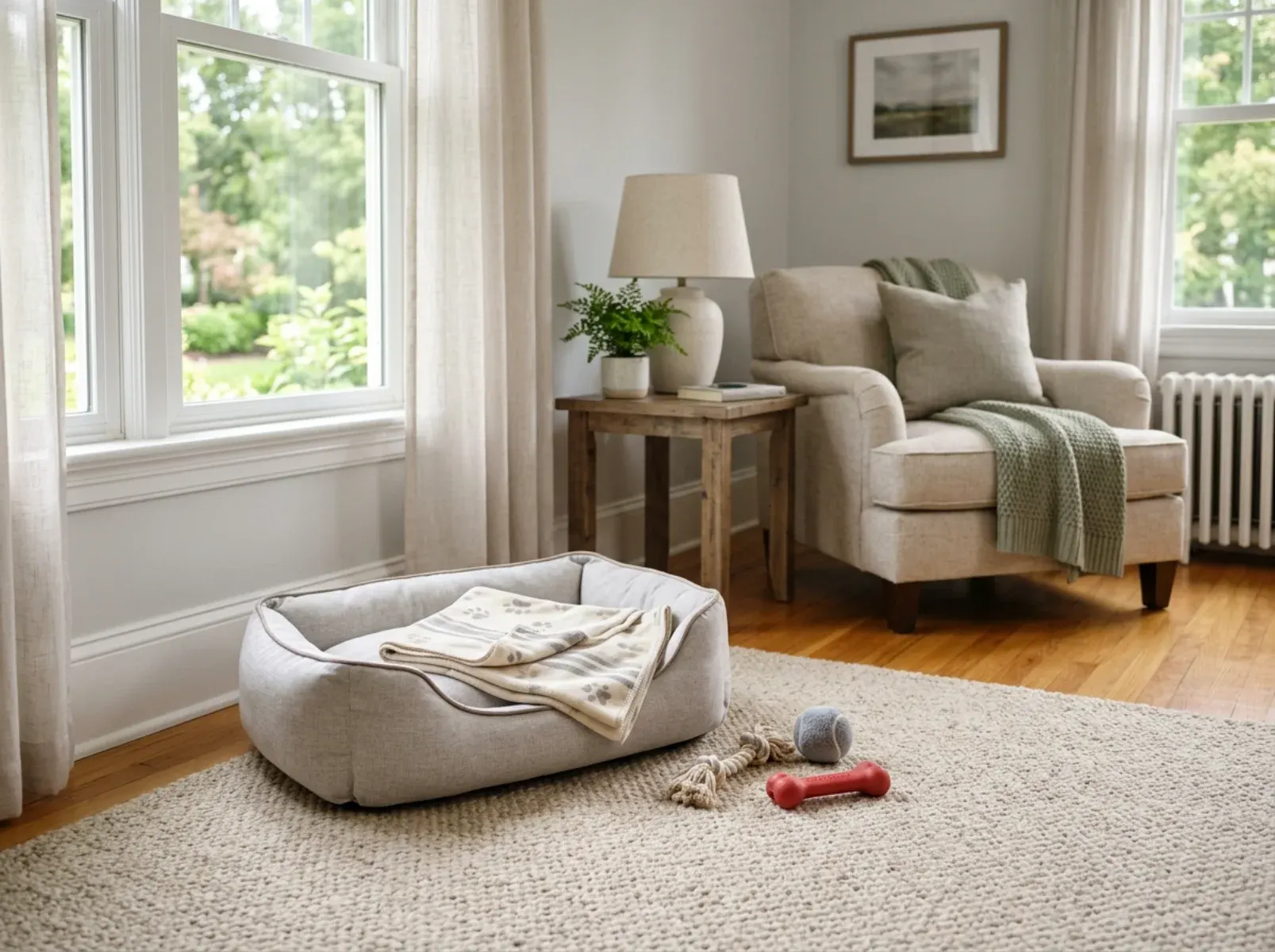
The adult fleas on your pet are a small fraction of the infestation. The overwhelming majority of a flea population in a home is eggs, larvae and pupae living in the environment — in carpet fibres, in the gaps between floorboards, in the pet bed, in the sofa, under the edge of a rug.
Eggs are not sticky. They are laid on the animal and then fall off wherever the animal goes, which means the infestation is distributed along your pet’s daily route through the house rather than concentrated where the pet sleeps.
So treating the animal removes the visible fleas and leaves the pipeline intact. New adults keep emerging from the carpet for weeks.
Pupae: the reason it comes back after you thought it was over
The flea pupa sits inside a sticky, protective cocoon that resists most treatments, and it can wait — for weeks — until something tells it that a host has arrived. Vibration, warmth and carbon dioxide are the triggers.
Two consequences follow, and both surprise people:
Vacuuming is genuinely part of the treatment. The vibration prompts pupae to emerge, at which point they are vulnerable rather than protected. Regular thorough vacuuming during a flea problem is not just tidying, it is pulling the hardest life stage out of its shelter. Empty the vacuum outside afterwards.
Empty houses erupt. Come home from two weeks away and get swarmed at the door? That is a cocooned generation that has been waiting for footsteps. The same happens when people move into a property that sat vacant — the fleas were never gone, just paused.
Where to look before you decide you do not have them
Fleas are easy to miss in low numbers and hard to ignore in high ones. Before the population gets there:
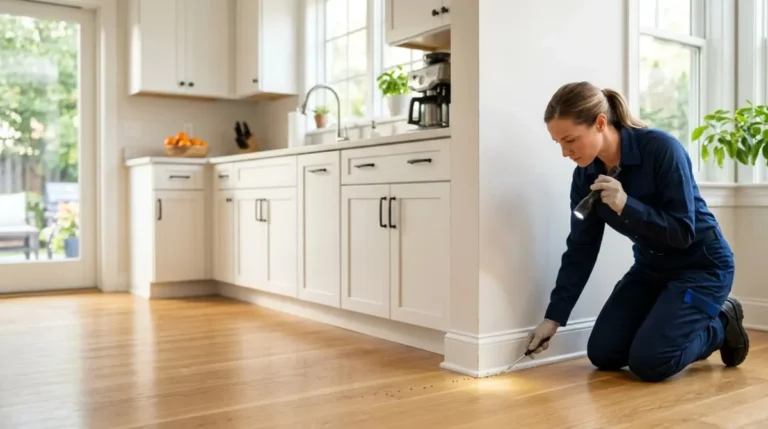
- Flea dirt. Comb your pet over a white sheet of paper. Dark specks that turn rust-red when dampened are digested blood — that is flea faeces, and it is a positive result even if you never see an insect.
- The white sock test. Walk slowly across the carpet in white socks, especially in low-traffic corners and near the pet’s bed. Newly emerged fleas jump at movement and show up against the white.
- Ankle bites. Small, itchy, clustered, usually below the knee. Fleas do not generally climb.
- The pet’s behaviour. Sudden scratching, biting at the base of the tail, or restlessness at night, often before you see anything at all.
What actually clears an infestation
Fleas need to be dealt with in the animal and the environment at the same time. Doing one without the other is why so many flea problems drag on for months.
The pet — a veterinary-recommended product, applied on schedule, on every animal in the house. One untreated cat undoes the rest.
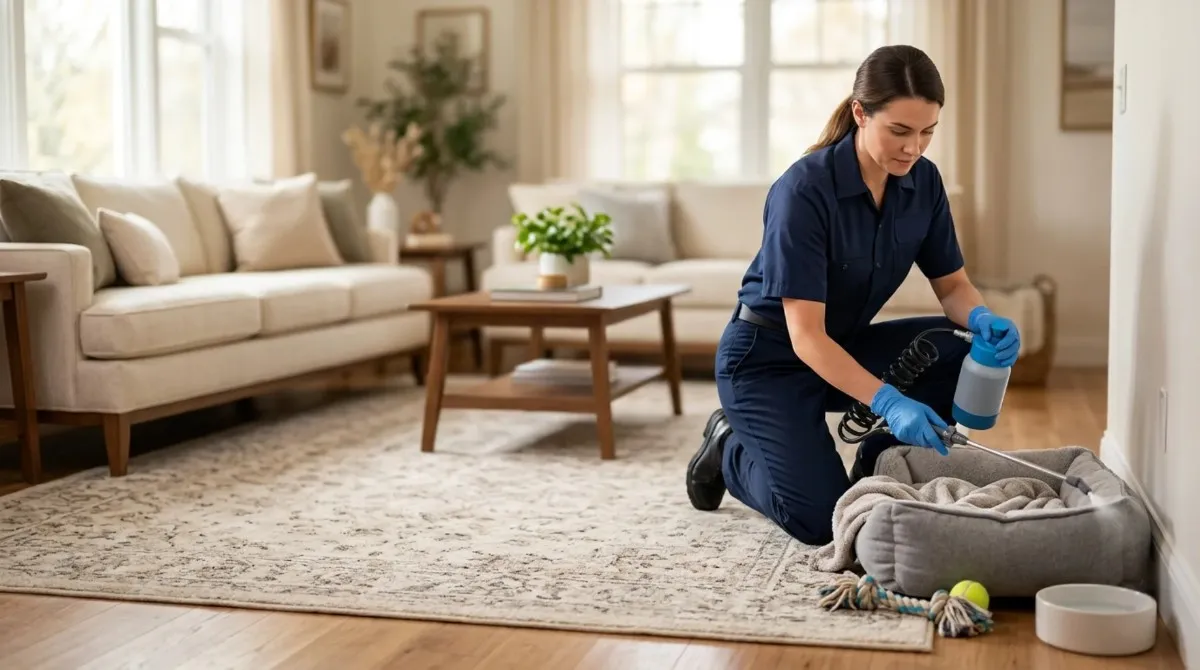
The soft furnishings — pet bedding washed hot, weekly, through the whole treatment period. This is where the highest concentration of eggs and larvae usually sits.
The floors — vacuum thoroughly and often, including under furniture, along skirting boards and the edges of rugs where larvae shelter from light. Empty outside.
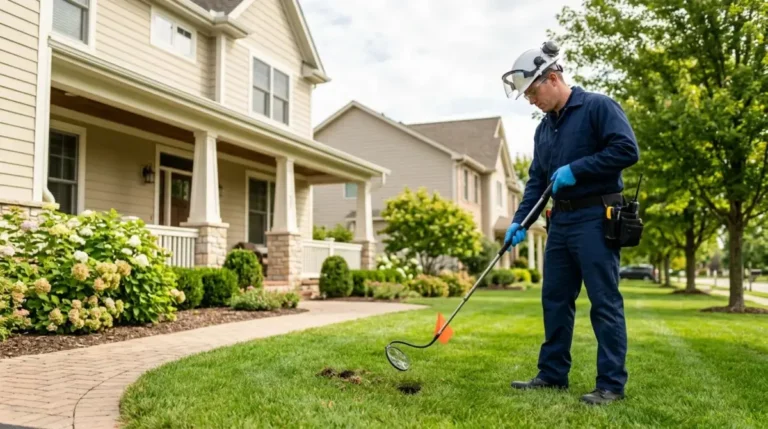
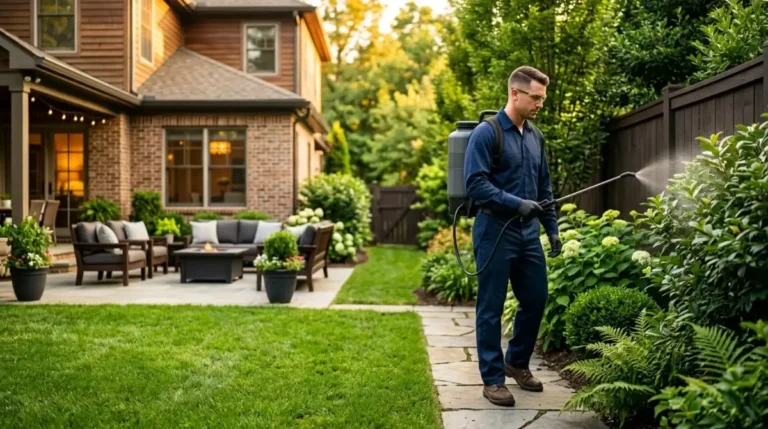
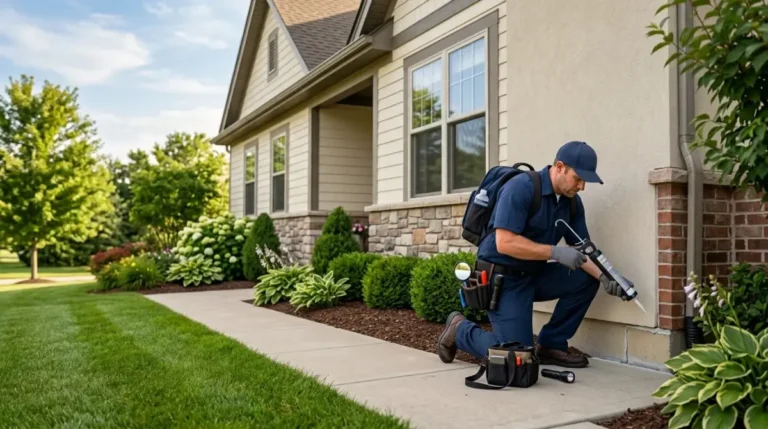
The yard — shaded, damp areas where pets rest. Fleas do not survive well in direct sun, so the problem outdoors is usually under the deck, beside the shed, in the shrubs.
When to bring someone in
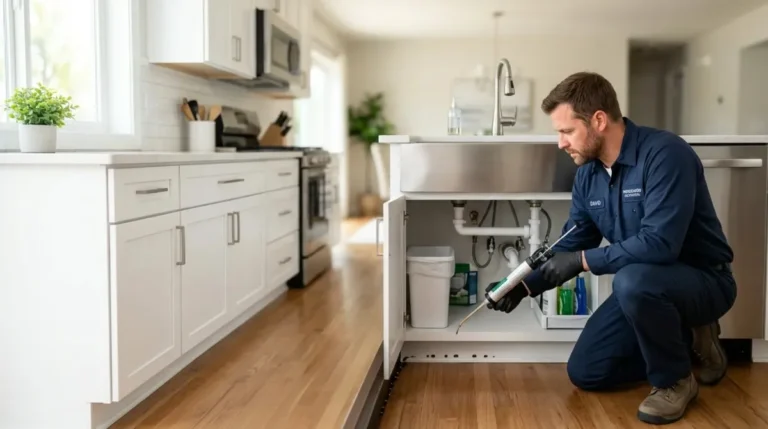
If you have treated the pets and cleaned thoroughly and you are still finding fleas after three to four weeks, the environmental side has not been broken. Professional treatment typically uses an insect growth regulator alongside an adulticide — the growth regulator stops eggs and larvae maturing, which is the part that ends the cycle rather than trimming it.
Our flea control page explains what treatment involves, and if you want a local pro we connect homeowners with pest control specialists across the country — including Atlanta, Houston and Philadelphia — or browse every covered area on our locations page.
One last thing worth knowing: central heating means fleas can carry on indoors long after the outdoor season ends. The population outside collapses in winter. The one in your carpet does not.