
West Nile Season Peaks in Late August — Why the Riskiest Mosquito Weeks Are the Ones Nobody Watches
Every summer the mosquito conversation is about itching. By late August it should be about something else. West Nile virus cases in the United States typically rise through July, peak in August, and stay high into September — which means the last two weeks of August and the first weeks of September are the highest-risk stretch of the entire year, and most people have already stopped thinking about mosquitoes by then.
Why late summer, and not July
It comes down to which mosquito, and how the virus builds.
West Nile is carried mainly by Culex mosquitoes, found in all 48 contiguous states. Culex do not spread the virus person to person — they pick it up from birds. So the virus has to cycle through bird and mosquito populations for weeks before there is enough of it around for human cases to climb. That cycling takes the whole early summer.
By late August, three things line up: the Culex population is at its seasonal maximum, the proportion of them carrying the virus is at its highest, and people are still spending evenings outdoors. That combination is why the calendar matters more than the mosquito count in your yard.
Culex are not the mosquitoes you are used to
The mosquito that bites your ankles at a barbecue in June and the one that matters in late August are often different insects with different habits, and the difference is worth knowing.
Culex bite at dusk and after dark. Not midday. If your mosquito precautions are built around afternoon activity, they are aimed at the wrong window.
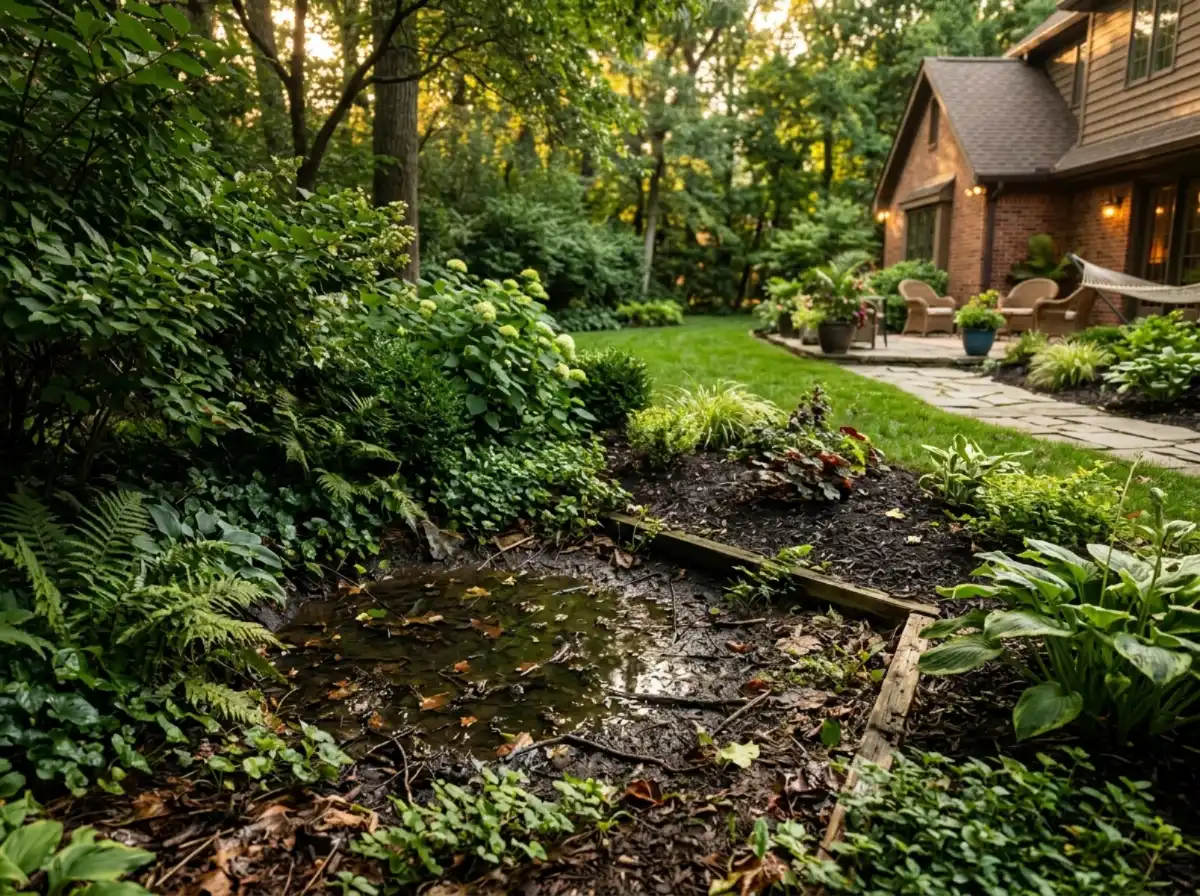
They breed in stagnant, dirty water. Not fresh puddles. A neglected birdbath, a clogged gutter full of leaf slurry, a bucket that has been sitting for three weeks, the saucer under a plant pot, a tarp with a dip in it, an unused kiddie pool. Culex prefer water that has been standing long enough to go green.
They do not travel far. Many stay within a few hundred feet of where they hatched. That is genuinely good news: if you are being bitten in your own yard at dusk, the breeding site is very likely in your yard or your neighbour’s.
The Saturday walk that actually works
Mosquito control at this time of year is less about spraying and more about a fifteen-minute inventory. A female Culex needs a surprisingly small amount of standing water — a bottle cap’s worth is an exaggeration, but not by as much as you would think.
Walk the property and empty, drain or scrub:
- Gutters. The single most missed breeding site on a house. A clogged section holds water for weeks and nobody looks up.
- Birdbaths and pet bowls. Change the water twice a week — that beats the egg-to-adult cycle.
- Plant saucers, buckets, wheelbarrows, tarps, toys. Anything that holds a dish of water. Turn them over.
- Corrugated downspout extensions. The ridges hold water. Straighten or replace them.
- Old tyres, boat covers, tarps over woodpiles. Classic Culex habitat.
- Neglected pools, ponds and rain barrels. A screen on a rain barrel solves it; a pool that has gone green needs treating.
If you have water that cannot be drained — an ornamental pond, a rain barrel you want to keep — mosquito dunks containing Bti, a bacterium that targets mosquito larvae, are the standard answer and are widely available.
Protecting yourself in the highest-risk weeks
Most people infected with West Nile have no symptoms at all. A minority develop fever and aches; a small fraction develop serious illness, and risk rises with age and with certain medical conditions. There is no vaccine and no specific treatment, which is exactly why prevention gets the attention.
Practically, for the next few weeks:
- Cover the dusk-to-dawn window. Repellent, long sleeves, or simply moving the evening indoors.
- Use an EPA-registered repellent and follow the label — DEET, picaridin, IR3535 and oil of lemon eucalyptus all have registered products.
- Check your screens. A torn window screen in August is a bigger deal than a torn one in April.
- Fans work. Mosquitoes are weak fliers, and moving air over a patio genuinely reduces bites.
When yard treatment is worth it
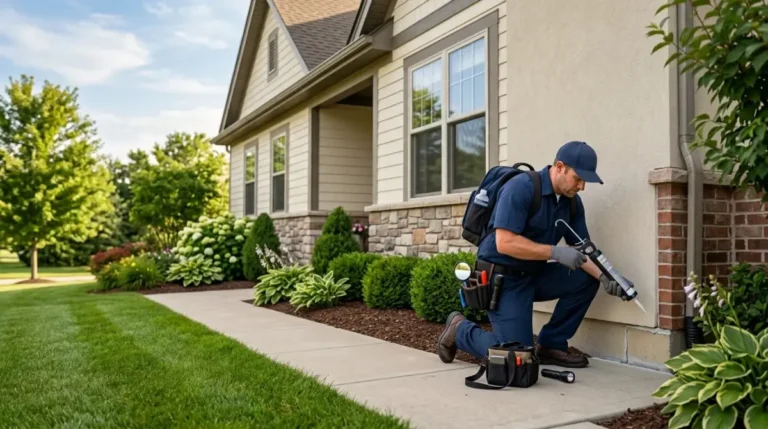
Source reduction handles most of the problem. Where professional treatment earns its keep is when the breeding site is not on your property, or not reachable — a neighbour’s neglected pool, a drainage easement, a retention basin behind the fence. In those cases the goal shifts from removing the source to reducing the adult population resting in your landscaping.
Professional mosquito work generally targets the shaded, humid places adults rest during the day: dense shrub interiors, ivy, the underside of deck boards, the north side of the house. Our mosquito control page covers what treatment involves, and if you want someone local we connect homeowners with pest control pros in cities across the country — including Houston, Chicago and Atlanta — or browse every covered area on our locations page.
Two weeks from now the evenings start cooling and this conversation goes away for another year. Until then, the birdbath is the highest-value fifteen minutes you will spend on your house.