
Do Ultrasonic Pest Repellers Work? What the Testing and the FTC Actually Found
Short answer: no. Independent testing has repeatedly failed to reproduce the results these devices are advertised on, and in 2001 the Federal Trade Commission sent warning letters to more than 60 manufacturers and retailers, telling them that efficacy claims had to be backed by scientific evidence. Two years later it sued one of them for ignoring the warning.
That was twenty-five years ago. The devices are still on the shelf, and the evidence has not improved.
What the testing actually found
Laboratory and field studies have looked at these devices against the pests people buy them for — ants, cockroaches, bed bugs, mosquitoes, rodents — and found little to no effect. Kansas State University ran independent testing on commercially available units and could not reproduce the manufacturers’ results.
A more recent example gives a sense of the scale of the gap. A 2021 study tested nine ultrasonic devices against the Australian paralysis tick and measured under 19.5% repellency — a figure the researchers described as insufficient for any real protection. That is roughly one tick in five moving away, and four staying put.
Why they cannot work, physically
Two problems, and neither is fixable by a better device.
Ultrasound is directional and it does not pass through anything. High-frequency sound is stopped by a wall, a sofa, a curtain, a carpet — even a pile of laundry. It fills the open air of a room and nothing else. And the open air of a room is precisely where pests are not. They are inside the wall void, behind the kick plate, under the fridge, in the cavity behind the skirting board.
Animals habituate. Even where a device does produce an initial reaction, most pests stop responding within three to seven days once the sound proves harmless. A mouse that finds food and warmth on the other side of an unpleasant noise learns very quickly to ignore the noise.
So the honest best case is a few days of mild avoidance in the part of the room the pests were never using.
Why people are sure they work anyway
This is worth being fair about, because plenty of people will tell you theirs worked.
Household pest numbers move on their own with the season. Somebody plugs a unit in during a bad week, the population drops for the reason it was always going to drop, and the device gets the credit. Nobody runs a controlled comparison in their own house.
Most people also change something else at the same time — they clear the counters, take the bins out more often, move the pet bowl, seal a gap. Those changes do work, and the plug-in gets the credit for them too.
The reason this matters more than the wasted money
The device is not the expensive part. The delay is.
Plug one in, wait a month to see whether it works, and a German cockroach population has gone through a full generation. A mouse pair has had a litter. Bed bugs have spread from one room to two. Every one of those problems is defined by how early you catch it, and a month of waiting on something that was never going to work is a month of the problem compounding.
That is the real cost, and it is much higher than what is on the box.
What to spend that money on instead
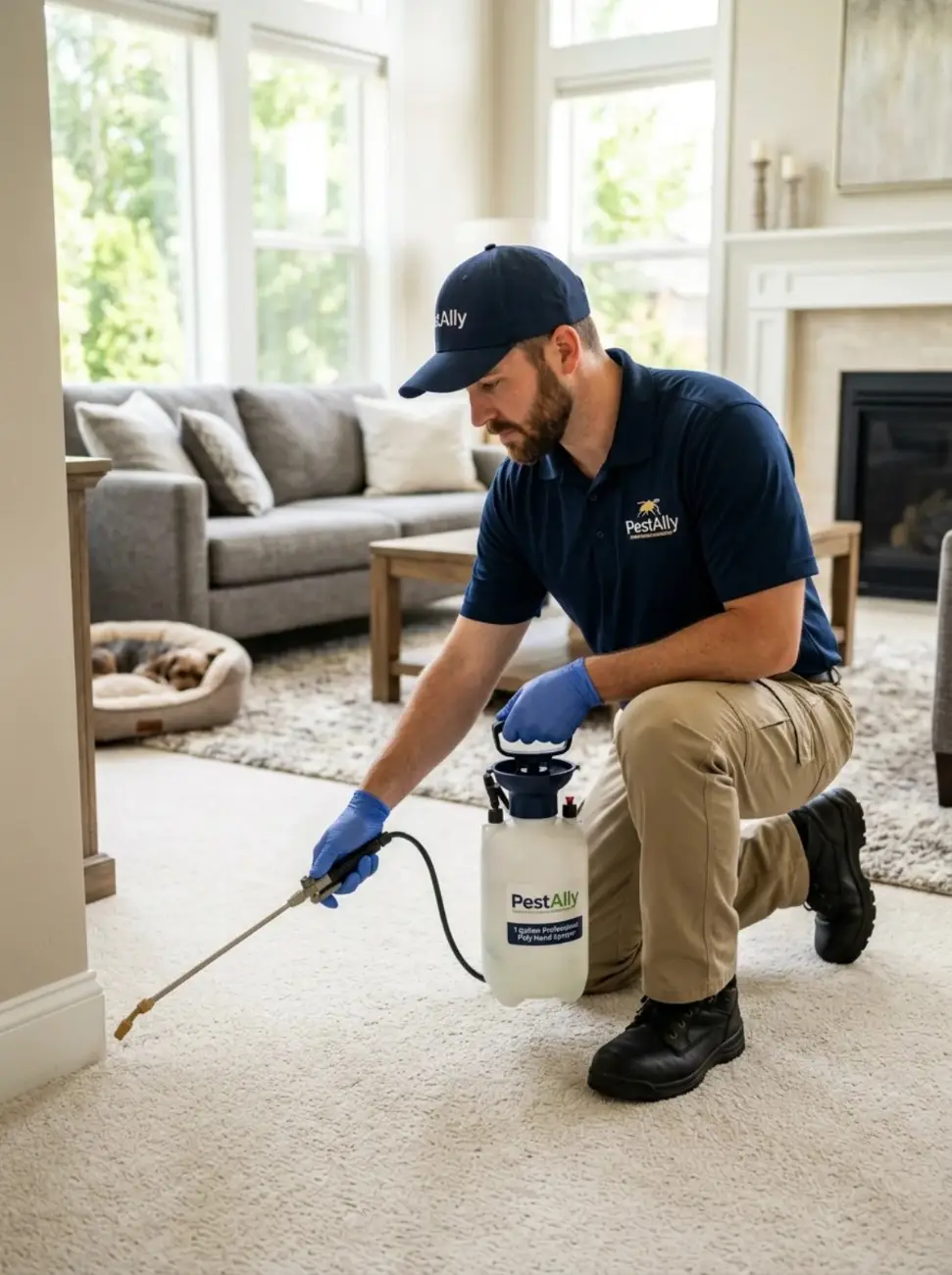
- Gel bait for cockroaches and ants. It works because the insect carries it back into the harbourage — treatment reaches the wall void, which no sound wave will.
- Snap traps, placed properly, for mice. Against the wall, perpendicular to it, in the run — not in the middle of the floor.
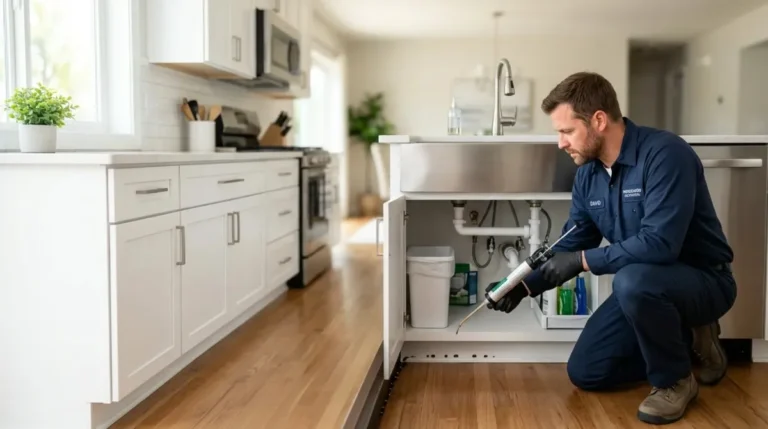
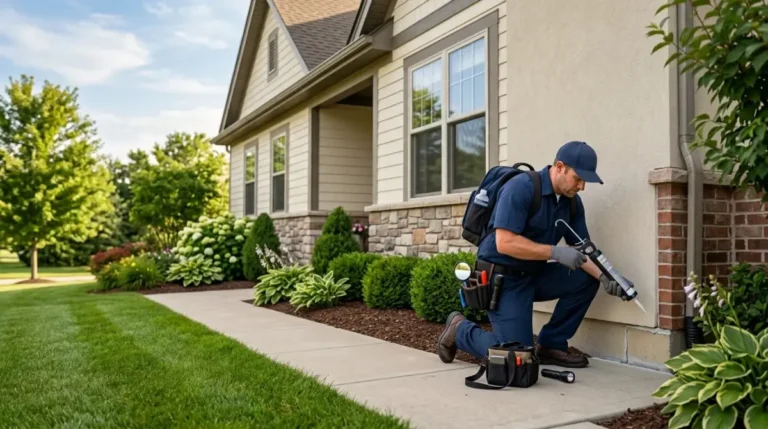
- Sealing. Steel wool and caulk in the gaps around pipes and utility entries. Physical exclusion is the only thing on this list that keeps working when you stop paying attention.
- Fixing the water. A dripping trap under a sink keeps a roach population alive on its own.
The one exception worth naming
Ultrasonic devices sold for outdoor wildlife deterrence — motion-triggered units for cats or deer in a garden — are a different product working in different conditions, and some have better support behind them. That is not the same thing as a plug-in unit for insects and rodents inside a house, which is what this page is about.
The one thing to take away
If a device could genuinely clear a house of pests by being plugged into a wall socket, the pest control industry would have ended twenty-five years ago. It did not, and the reason is in the testing.
Put the money into bait, traps and a tube of caulk. Our general pest control and rodent control pages cover what a proper treatment involves — and it is worth saying plainly that nothing in it plugs into a wall.