Roaches in a Clean Apartment: Why They Keep Coming Back — and Why August Is Their Best Month
You wiped the counters last night. The dishes are done, the floor is swept, there is not a crumb in sight — and there is still a cockroach sitting under your kitchen sink at 2 a.m. If that just happened to you, the first thing to know is that it does not mean your apartment is dirty. It means your apartment is a building, and buildings play by different rules.
A clean kitchen isn’t the point — water is
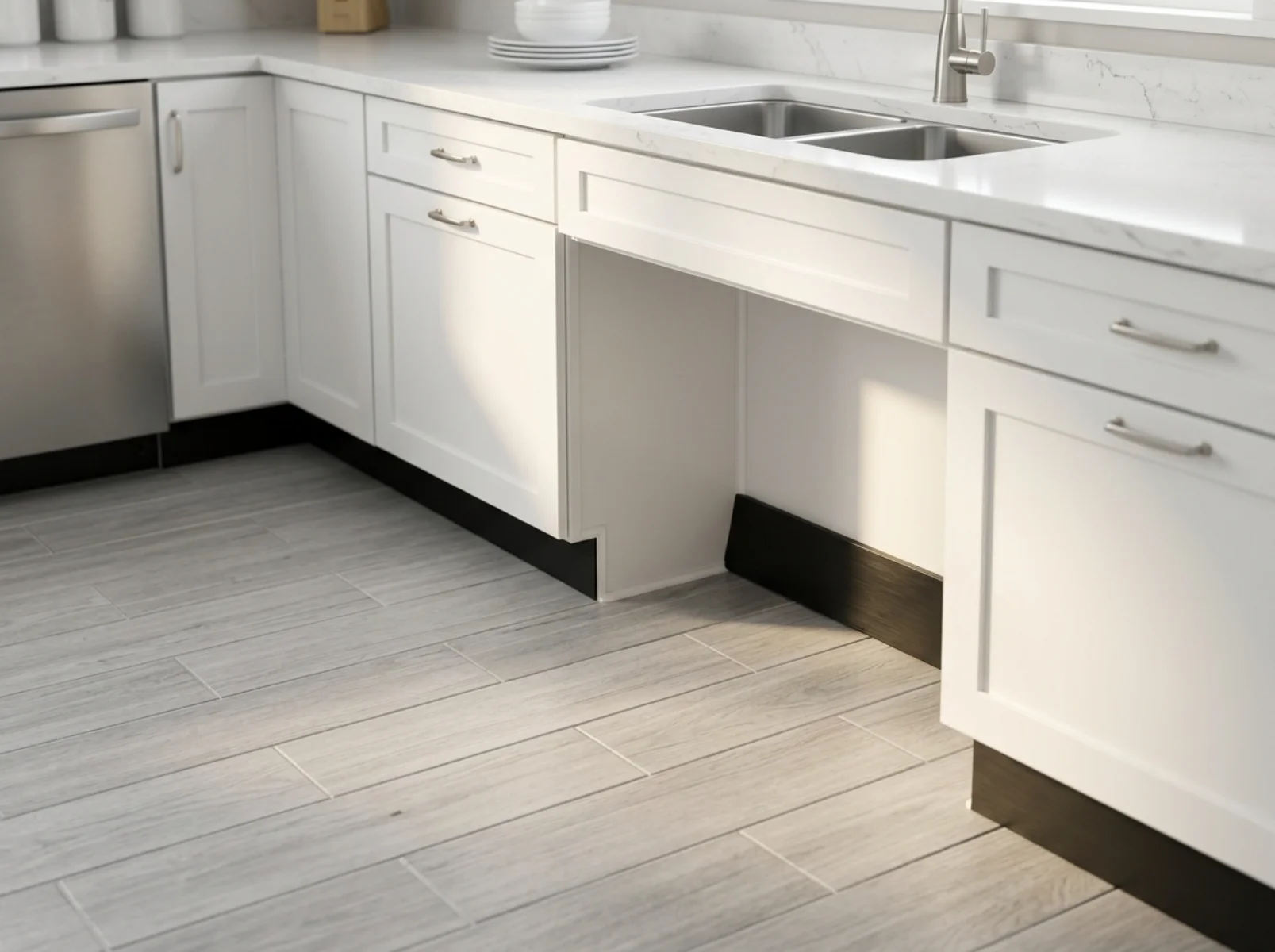
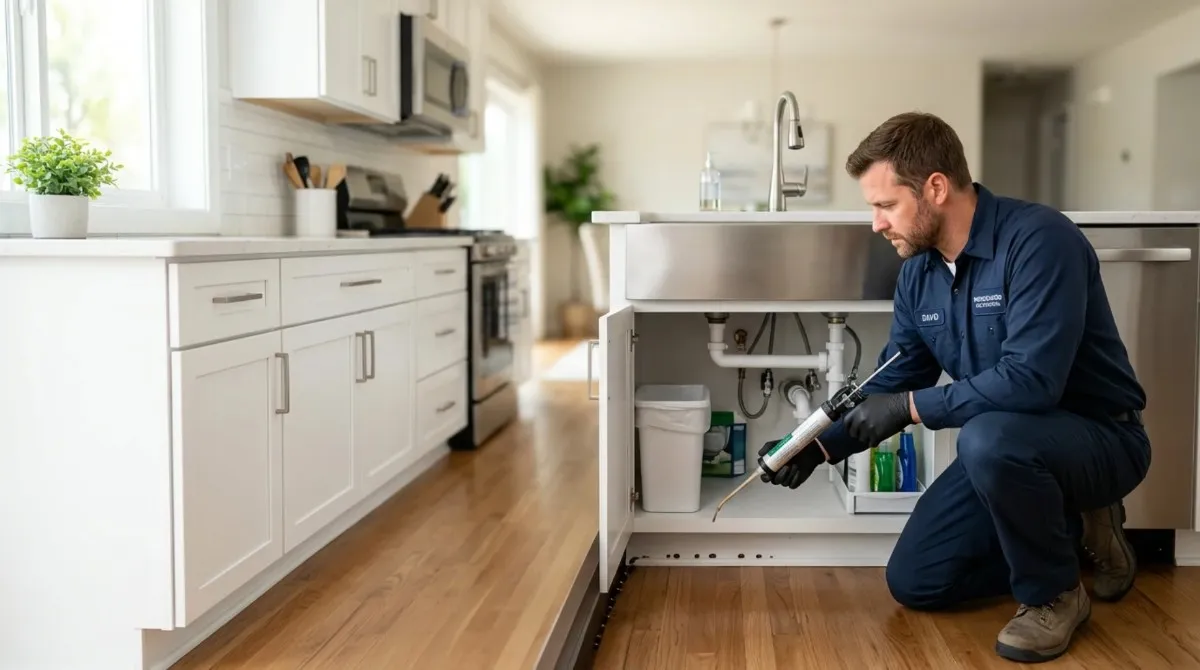
A German cockroach can live for a month without food. It can live about a week without water. That math explains almost everything about where you find them: under the kitchen sink, behind the dishwasher, in the bathroom vanity, around the water heater. A sweating cold-water pipe or a slow drip in a cabinet is worth more to a roach than anything in your pantry.
Food matters too — but not the food you are thinking of. Roaches do fine on grease film behind a stove, crumbs under a toaster, pet food left out overnight, and even the glue in cardboard boxes. None of that shows up when you look at a kitchen and call it clean. So “clean” by human standards and “clean” by roach standards are two different inspections, and passing the first one does not mean you pass the second.
Why late August is their favorite month
Cockroaches are tropical insects at heart. Heat speeds up their entire life cycle — eggs hatch faster, nymphs mature faster, and adults breed sooner. In a warm summer kitchen, a German cockroach can go from egg to breeding adult in under two months, and a single female and her offspring can account for tens of thousands of roaches in a year at that pace.
August stacks the deck even further. Weeks of high heat outside push American cockroaches (the big ones) indoors toward air conditioning and moisture, while the indoor heat keeps German cockroach reproduction running at full speed. Late summer is when a “we saw one or two in June” problem quietly becomes a “they’re in the cabinets” problem.
The apartment problem: your neighbor’s roaches are your roaches
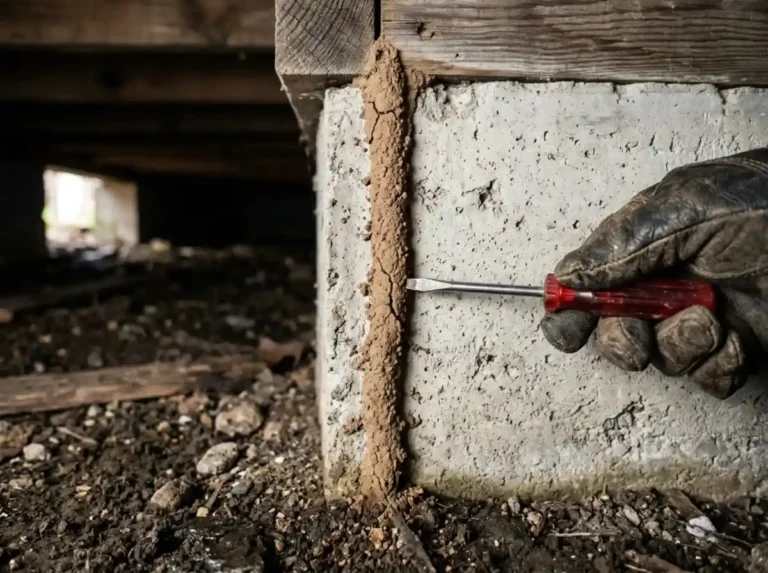
Here is the part that most advice skips. In a multi-unit building, roaches do not respect leases. They travel along plumbing lines, inside wall voids, and through the gaps around shared pipes. If the unit next door or the one below you has an infestation, your kitchen is connected to it by a highway you cannot see.
This is why so many tenants get stuck in the same loop: they clean obsessively, spray, see fewer roaches for two weeks, and then everything comes back. Nothing was wrong with their effort. The population was never living only in their unit to begin with. Treating one apartment in an infested building is like bailing one corner of a pool.
There is one more door you may be leaving open without knowing it: dry drains. The U-shaped trap under every sink, tub and floor drain holds water that blocks the sewer side from your side. In a guest bathroom or a floor drain that never gets used, that water evaporates — and the pathway opens. Pouring a glass of water down rarely used drains every couple of weeks keeps that seal filled.
German roach or “waterbug”? Why it matters
What you saw changes what you should do about it.
Small, tan to light brown, two dark stripes behind the head, fast: German cockroach. This is the apartment species. They live indoors full-time, breed indoors, and one sighting in daylight usually means an established population nearby — daytime activity is a crowding signal. Finding pepper-like droppings or egg cases in a cabinet hinge confirms it.
Big, reddish-brown, sometimes flies, usually near a drain or door: American cockroach, the one apartment listings politely call a waterbug. These often wander in from sewers, basements and summer heat. A single one in August can genuinely be a loner that came up a drain — unpleasant, but not automatically an infestation.
One German roach is a message. One American roach is sometimes just weather.
Why foggers make everything worse
The bug bomb is the most tempting purchase in the store aisle and one of the worst tools for an apartment. Foggers put down a repellent mist that kills the few roaches caught in the open — and drives the rest deeper into walls, into appliances, and straight into the units next to yours. The population survives, spreads out, and gets harder to bait afterward. In a multi-unit building, a fogger is less a treatment and more a redistribution program.
What actually works inside an apartment
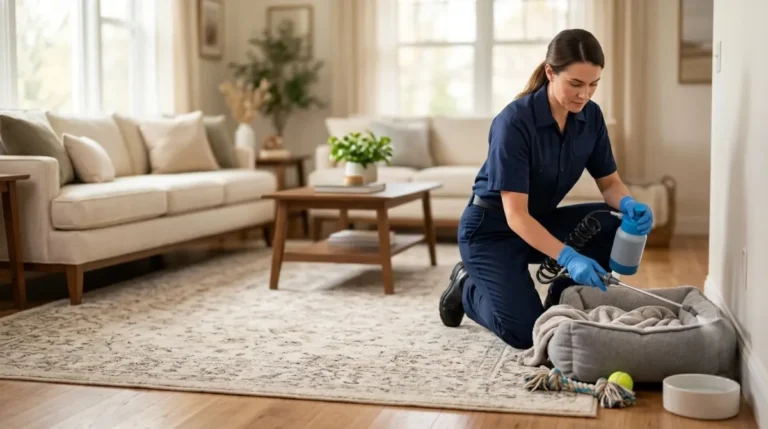
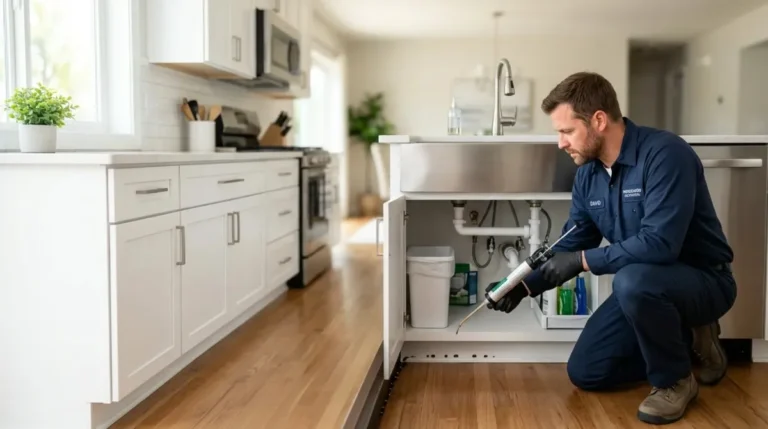
The approach professionals use in apartments has stayed the same for years because it works: gel bait placed in the cracks and hinges where roaches actually walk, insect growth regulators that stop nymphs from ever becoming breeding adults, and sticky monitors to show which cabinets the traffic is coming from. Baiting works precisely because it is the opposite of a fogger — nothing repels, roaches feed and carry the bait back to the harborage.
What you control on top of that: fix or report any drip and dry out under-sink cabinets, run water in unused drains, take the trash out at night rather than in the morning, get pet bowls up overnight, and break down cardboard boxes instead of storing them — cardboard is both food and housing. None of this clears an established infestation on its own, but it decides how fast one rebuilds.
Whose job is this — yours or the landlord’s?
In most U.S. states, an infestation in a multi-unit building falls under the landlord’s duty to keep the property habitable, particularly when the roaches are coming from another unit or shared plumbing — something a tenant has no power to treat. Rules vary by state and by lease, so check both, but the practical advice is the same everywhere: report it in writing. An email with photos, dated, creates the record that a hallway conversation never does. If the building treats your unit and the problem returns within weeks, put that in writing too — recurring activity after treatment is the classic sign that neighboring units were never addressed, and building-wide treatment is the fix to push for.
When to stop fighting it alone
If you have found droppings, egg cases, or roaches in daylight — or you have baited for three or four weeks and the sticky traps are still filling — the population is beyond what retail products reach. A professional treatment plan (and in a building, a coordinated one) closes the gap. Our cockroach control page covers what treatment involves, and if you want someone local we connect renters and owners with pest control pros in cities where apartment roach pressure runs highest — including Chicago, Houston and Philadelphia — or browse all covered areas on our locations page.
A roach in a clean kitchen is not a verdict on your housekeeping. It is a building problem wearing your address. Treat it like one — bait instead of bomb, water instead of crumbs, paper trail instead of patience — and it is very fixable.