Do Mothballs Repel Mice, Snakes or Squirrels? No — and It Is Illegal to Use Them That Way
Somebody always suggests it. Mice in the garage, a snake under the porch, squirrels in the attic — and the advice comes back the same: throw a box of mothballs up there.
It is one of the most persistent pieces of pest advice in circulation, and it is wrong on three separate counts. It does not work, it is illegal, and it puts a registered pesticide into the air of a building people live in.
What are mothballs actually approved for?
One thing, and the label is specific about it: killing clothes moths and carpet beetles inside a sealed, airtight container. A garment bag. A lidded trunk. A sealed tote.
That is not a suggestion about best practice. Mothballs are a registered pesticide, and in the United States the label is the law. Anything the label does not authorise is not authorised.
The reason the container matters is chemistry rather than tidiness. Mothballs work by sublimating — going straight from solid to vapour — and it is the vapour that kills the larvae. In a sealed space that vapour builds to a concentration that does the job. In an open attic, crawl space or flower bed it simply disperses, which is why the whole idea fails before it starts.
Do mothballs repel mice?
No. The amount of active ingredient in a handful of mothballs is nowhere near enough to move a rodent that has already decided your wall void is warm and safe. The smell is strong to us and it fades fast in open air, and mice tolerate it long before it reaches any level that would affect them.
What actually happens is worse than nothing. The homeowner believes the problem is being handled, the mice carry on breeding through autumn, and by the time anyone accepts it has not worked there is an established population instead of a new one. Six weeks lost in September is the difference between a small job and a large one.
Do mothballs repel snakes or squirrels?
No, and this one has been tested rather than merely doubted. There is no evidence that scattered mothballs deter snakes, squirrels, deer, raccoons or skunks. Snakes in particular do not experience smell the way a mammal does, and the folk remedy has never held up.
Outdoors the failure is total. Rain dissolves them, sun accelerates the vapour loss, and the residue goes into the soil and into whatever drains through it.
Is it actually illegal to put mothballs in an attic or a garden?
Yes. Under the Federal Insecticide, Fungicide, and Rodenticide Act, using a registered pesticide in any manner the label does not specify is a violation of federal law. Mothballs in a crawl space, under a porch, in an attic, in a flower bed, around the outside of a house or down a burrow are all off-label — and therefore all illegal.
Enforcement is not the point most people should worry about, though it exists: a first report generally draws a warning, and repeat violations can carry civil penalties running to thousands of dollars per incident. The point is what the rule is protecting against. The label restriction is not bureaucratic. It exists because the vapour is the active ingredient, and an attic shares air with the rooms below it.
What is actually inside a mothball?
One of two chemicals, and the packet will tell you which: naphthalene or paradichlorobenzene. Both are pesticides. Neither is a scent.
That distinction matters more than it sounds. When you can smell mothballs, you are breathing the pesticide. There is no version where the odour travels and the chemical does not — the odour is the chemical in vapour form. A house with a persistent mothball smell in it is a house with a measurable amount of that compound in its air.
Are mothballs dangerous to children and pets?
They can be, and this is the part that turns a folk remedy into a genuine risk.
They look like sweets. White, round, roughly the size of a boiled sweet, and left loose on a floor or a shelf. Small children and dogs eat them, and that is the most common route to a serious exposure.
Naphthalene can break down red blood cells. Swallowing a mothball, or heavy exposure to the vapour, can cause hemolytic anemia — red blood cells rupturing faster than the body replaces them. Reported effects in children have included fever, abdominal pain, diarrhoea and discoloured urine.
Some infants are far more vulnerable. Babies with an inherited condition called G6PD deficiency have very little defence against naphthalene, and it is not something most families know about in advance.
Dogs show it as lethargy, vomiting, loss of appetite and tremors.
If a child or pet has swallowed a mothball, this is not a wait-and-see situation. In the US, Poison Control is 1-800-222-1222, available around the clock; for a pet, call your vet. Take the packet with you so the active ingredient can be identified, because naphthalene and paradichlorobenzene are handled differently.
What should you use instead — for actual clothes moths?
Clothes moths are a real problem and worth taking seriously. What they eat is keratin — wool, cashmere, silk, felt, fur — and what draws them to a particular garment is body oil, perspiration and food residue left in the fibres. A clean jumper is a far less attractive jumper.
Clean it before you store it. This is the single most effective step, and most people skip it. Moths lay on the soiled patches.
Store in genuinely sealed containers. Hard-sided boxes or vacuum bags, not cardboard and not a loose garment bag with a gap at the bottom.
Cedar and lavender help at the margins. They are repellents, not insecticides — useful in a closed drawer, useless against larvae already feeding. Cedar also stops working once the oils dry out, which is what the sanding advice is about.
Freeze small items. Sealed in a bag at freezer temperature for about a week kills eggs and larvae, and it is the right answer for a single infested scarf.
Vacuum the closet, not just the clothes. Larvae live in the carpet edge, along the skirting and in the corners of drawers. Treating the garment while leaving the room untouched is why the problem returns.
What should you use instead — for mice, snakes or squirrels?
Exclusion. It is less satisfying than sprinkling something and walking away, and it is the only thing that holds.
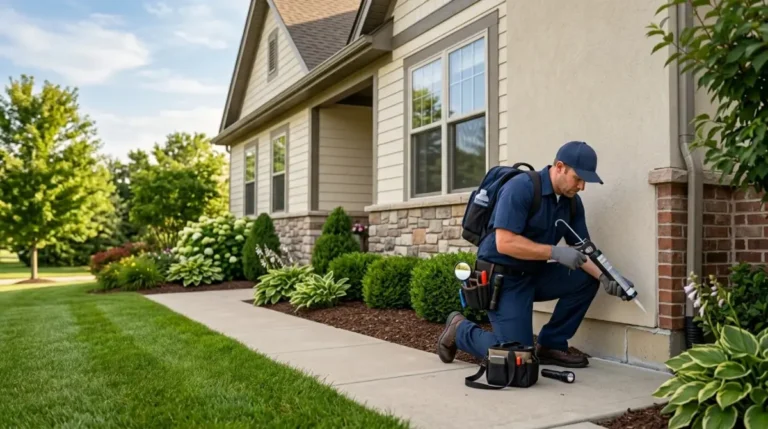
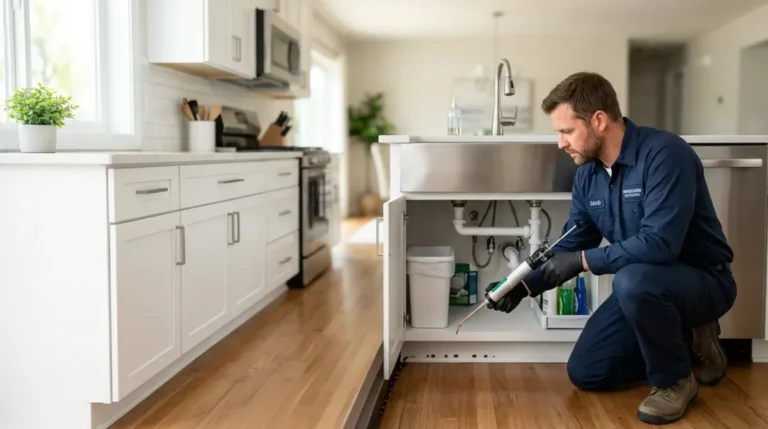
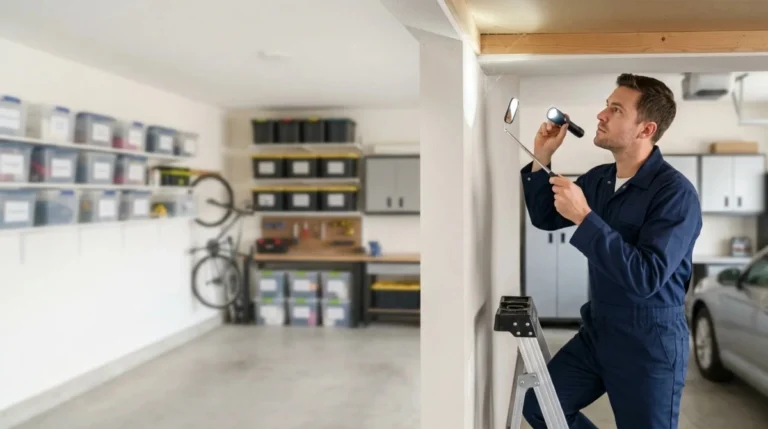
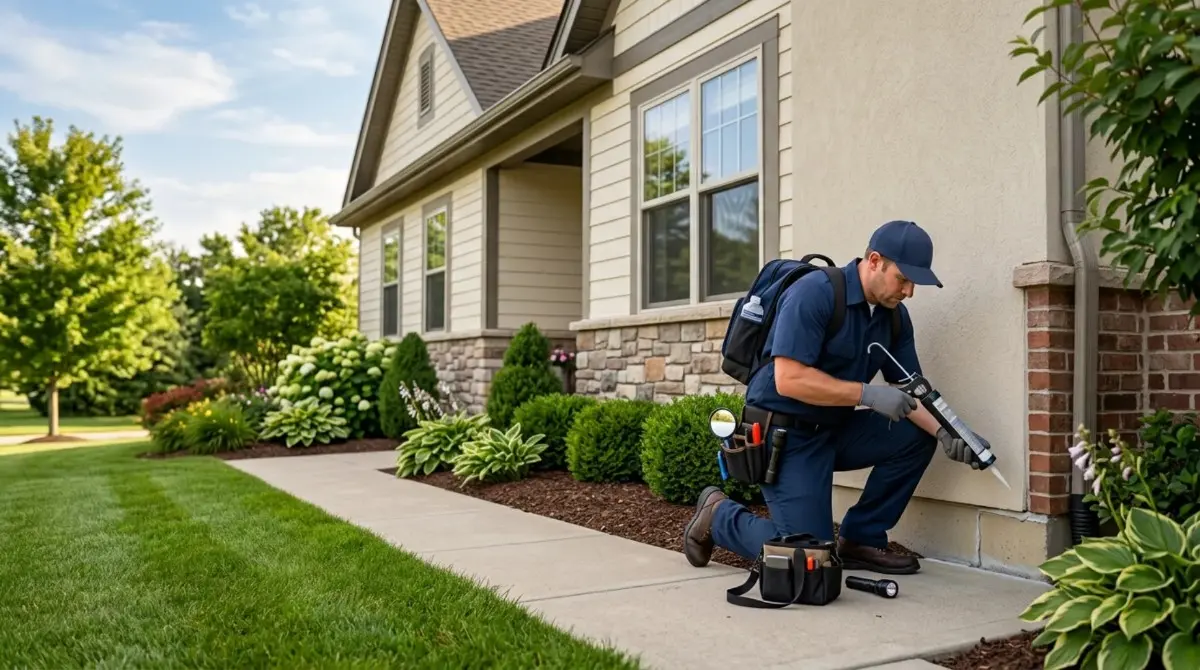
Seal what they are using. A house mouse gets through a gap the width of a pencil. Utility penetrations, the corners of a garage door, gaps under siding and torn vent screens are the usual four.
Take away the shelter first. Stacked firewood against a wall, dense ground cover at the foundation and stored material on the floor of a garage do more to hold rodents and snakes near a building than any smell will drive them away.
Trap indoors, do not repel. Snap traps placed against a wall where droppings are, not in the middle of the floor.
Get wildlife handled properly. Squirrels, raccoons and snakes are usually a legal matter as well as a practical one, and in most states there are rules about how and when animals may be removed.
The short version
Mothballs are approved for one job: clothes moths, in a sealed container. They do not repel mice, snakes or squirrels; using them that way is illegal under federal law; and the smell people rely on as proof they are working is the pesticide itself, in the air of the house.
If moths are the actual problem, clean and seal the clothing. If it is rodents or wildlife, seal the building. Neither answer comes in a box of white balls.
Dealing with rodents heading indoors this autumn? Our guide to when mice start entering homes covers the timing, and rodent control covers what a proper exclusion job involves. For the other things that get the same bad advice, we have looked at ultrasonic repellers and bug bombs too.